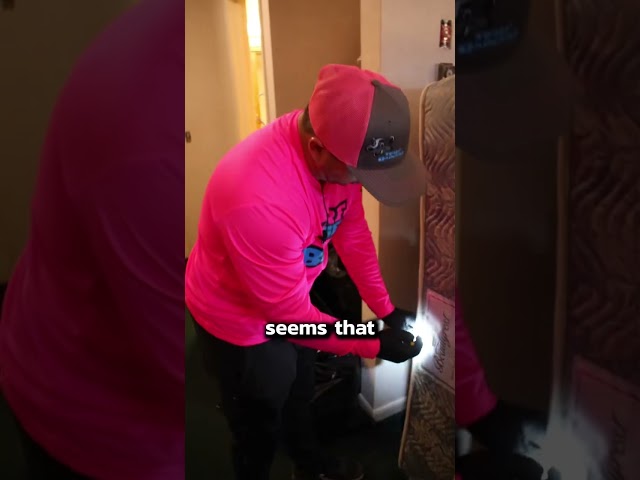
Controlling infestations of small, nocturnal insects that feed on human blood requires specialized methods. These pests are adept at hiding in mattresses, furniture, and even electrical outlets, making their eradication challenging. Effective elimination typically involves a multi-pronged approach, often combining chemical treatments with non-chemical methods like heat treatment and thorough cleaning. Professional expertise is often required to identify the extent of the infestation and implement the most appropriate strategy.
For instance, a homeowner might discover bites on their skin and small dark spots on their bedding, indicating a potential problem. Another example could involve a hotel experiencing recurring complaints from guests about bites, leading to investigations and potential treatments of affected rooms and surrounding areas. These situations highlight the need for prompt and effective action to address infestations and prevent their spread.
bed bug treatment duluth
Duluth, Minnesota, experiences its share of bed bug infestations, just like any other city. The citys mix of residential homes, apartments, hotels, and other lodging establishments provides ample opportunities for these pests to thrive. Given the challenges associated with bed bug eradication, residents and businesses in Duluth often seek professional assistance for effective treatment.
Professional pest control services in Duluth offer a range of treatment options, from targeted insecticide applications to whole-room heat treatments. These services often begin with a thorough inspection to assess the severity of the infestation and identify all affected areas. This inspection is crucial for developing a customized treatment plan that addresses the specific needs of each situation.
Heat treatments are becoming increasingly popular due to their effectiveness and eco-friendly nature. This method involves raising the temperature of the infested area to a level lethal to bed bugs and their eggs. Heat treatment is often preferred over chemical treatments as it avoids the use of pesticides and minimizes the risk of chemical exposure.
In addition to professional treatments, residents can take proactive steps to prevent bed bugs. Regularly inspecting mattresses, furniture, and bedding for signs of infestation is crucial. Using mattress encasements can also help prevent bed bugs from establishing themselves in mattresses and box springs.
When traveling, its essential to take precautions to avoid bringing bed bugs home. Inspecting hotel rooms for signs of infestation before unpacking and keeping luggage off the floor can significantly reduce the risk of picking up these unwanted hitchhikers. Upon returning home, washing clothes in hot water and drying them on high heat can further eliminate any potential stowaways.
Early detection and prompt treatment are key to managing bed bug infestations effectively. Ignoring the problem will only allow the infestation to grow and become more challenging and costly to eradicate. Proactive measures and professional assistance are crucial for successful bed bug control in Duluth.
Choosing a reputable pest control company is essential for effective treatment. Look for companies with experience in bed bug control, certified technicians, and positive customer reviews. A good pest control company will provide a detailed explanation of the treatment process, including preparation steps and follow-up procedures.
Ultimately, a comprehensive approach involving professional treatment, preventative measures, and vigilant monitoring is the most effective way to combat bed bug infestations in Duluth. This approach ensures long-term control and minimizes the risk of recurring infestations.
Important Points about Bed Bug Treatment in Duluth
-
Professional Expertise:
Engaging qualified pest control professionals is crucial for effective bed bug treatment in Duluth. These experts possess the knowledge, experience, and specialized tools necessary to accurately assess the infestation’s severity and implement tailored treatment strategies. Attempting DIY methods can often exacerbate the problem, making professional intervention essential for successful eradication. Choosing a licensed and insured professional also provides peace of mind and ensures the job is done correctly.
-
Thorough Inspection:
A comprehensive inspection is the first step in any effective bed bug treatment plan. This involves carefully examining all potential hiding places, including mattresses, box springs, furniture, cracks and crevices, and even electrical outlets. A thorough inspection helps determine the extent of the infestation and guides the development of a targeted treatment strategy, maximizing its effectiveness.
-
Integrated Pest Management (IPM):
Many reputable pest control companies in Duluth employ IPM strategies. IPM combines various treatment methods, including chemical and non-chemical approaches, to achieve long-term control. This approach minimizes the use of pesticides while maximizing effectiveness, promoting a safer and more sustainable approach to pest management.
-
Heat Treatment:
Heat treatment is a highly effective and eco-friendly method for eliminating bed bugs. This method raises the temperature of the infested area to a lethal level for bed bugs and their eggs, ensuring complete eradication. Heat treatment is often preferred over chemical treatments due to its non-toxic nature and its ability to penetrate hard-to-reach areas.
-
Chemical Treatments:
While heat treatment is often preferred, chemical treatments may be necessary in certain situations. Professional pest control companies use EPA-approved insecticides specifically designed for bed bug control. These treatments are applied strategically to target infested areas and minimize exposure to humans and pets.
-
Follow-Up Inspections:
Follow-up inspections are essential to ensure the effectiveness of the treatment and to address any potential recurring infestations. These inspections allow pest control professionals to monitor the situation and make any necessary adjustments to the treatment plan. Regular follow-up helps maintain long-term control and prevent future infestations.
-
Preventative Measures:
Taking preventative measures is crucial for avoiding bed bug infestations in the first place. Regularly inspecting mattresses and furniture, using mattress encasements, and being cautious when traveling can significantly reduce the risk of bringing bed bugs home. These proactive steps can save time, money, and the stress associated with dealing with an infestation.
-
Early Detection:
Early detection is key to effectively managing bed bug infestations. Being aware of the signs of bed bugs, such as bites on the skin and dark spots on bedding, can help identify infestations early on. Prompt action upon detection can prevent the infestation from spreading and becoming more difficult to control.
-
Public Awareness:
Educating oneself about bed bugs and their control is crucial for preventing and managing infestations. Understanding their behavior, life cycle, and preferred hiding places can empower individuals to take effective preventative measures and seek professional help when needed. Public awareness campaigns can play a significant role in reducing the prevalence of bed bug infestations.
-
Community Efforts:
Addressing bed bug infestations often requires community-wide efforts. Apartment complexes, hotels, and other multi-unit dwellings can benefit from implementing preventative measures and coordinating treatment efforts. Collaboration between residents, property managers, and pest control professionals can create a more effective approach to bed bug control within a community.
Tips for Dealing with Bed Bugs in Duluth
-
Vacuum Regularly:
Regular vacuuming, especially around beds and furniture, can help remove bed bugs and their eggs. Pay close attention to cracks and crevices where bed bugs may hide. Dispose of the vacuum bag immediately after cleaning to prevent re-infestation.
-
Wash and Dry Bedding in Hot Water:
Washing bedding, including sheets, blankets, and pillowcases, in hot water (at least 120F) and drying them on high heat can kill bed bugs and their eggs. Regularly laundering bedding is a crucial step in preventing and controlling infestations.
-
Use Mattress Encasements:
Encasing mattresses and box springs in zippered, bed bug-proof covers can prevent bed bugs from infesting or escaping. These encasements also make it easier to detect and monitor for bed bugs.
-
Inspect Secondhand Furniture Carefully:
Before bringing secondhand furniture into your home, thoroughly inspect it for signs of bed bugs. Avoid purchasing furniture that shows signs of infestation, such as dark spots, shed skins, or live bugs.
-
Be Cautious When Traveling:
When staying in hotels or other accommodations, inspect the room for signs of bed bugs before unpacking. Keep luggage off the floor and consider using luggage racks. Upon returning home, wash all clothes in hot water and dry them on high heat.
Understanding the biology and behavior of bed bugs is crucial for effective control. Bed bugs are nocturnal insects that feed on human blood, typically biting exposed skin while people sleep. They are small, flat, and reddish-brown in color, making them difficult to spot, especially in the early stages of an infestation. Their ability to hide in tiny cracks and crevices further complicates detection and treatment efforts.
The life cycle of a bed bug consists of several stages, from egg to adult. Female bed bugs can lay hundreds of eggs during their lifetime, which hatch into nymphs. These nymphs go through several molting stages before reaching adulthood. Understanding this life cycle is crucial for implementing effective treatment strategies that target all stages of development.
Bed bugs are not known to transmit diseases, but their bites can cause itchy welts and skin irritation. For some individuals, bed bug bites can trigger allergic reactions or secondary infections from scratching. The psychological impact of bed bug infestations can also be significant, causing stress, anxiety, and sleep disturbances.
The economic impact of bed bug infestations can be substantial. The cost of professional treatment, replacement of infested furniture, and lost revenue for businesses can quickly add up. Proactive prevention measures and early detection are essential for minimizing the economic burden associated with bed bugs.
The social stigma associated with bed bugs can also be a concern. Many people mistakenly believe that bed bugs are a sign of uncleanliness, leading to embarrassment and reluctance to report infestations. It’s important to remember that bed bugs can infest any environment, regardless of cleanliness, and seeking professional help is crucial for effective control.
Research on bed bug control methods is constantly evolving. Scientists are exploring new approaches to treatment, including the use of biological control agents and innovative technologies. Staying informed about the latest advancements in bed bug control can help individuals and businesses make informed decisions about treatment options.
Community-based programs and educational initiatives can play a vital role in raising awareness about bed bugs and promoting effective control strategies. These programs can provide valuable resources and support to residents and businesses, empowering them to take proactive steps against bed bugs. Collaboration and information sharing are essential for successful community-wide bed bug management.
Addressing the issue of bed bugs requires a multi-faceted approach involving individual responsibility, professional expertise, and community collaboration. By working together, we can effectively combat bed bug infestations and minimize their impact on our homes, businesses, and communities.
Frequently Asked Questions
John: How can I tell if I have bed bugs?
Prof. Design: Look for small, reddish-brown insects, dark spots (fecal matter) on bedding or furniture, shed skins, and itchy bites, often in lines or clusters. A musty odor may also be present in heavily infested areas.
Sarah: What should I do if I find bed bugs in my home?
Dr. Creative: Contact a qualified pest control professional immediately. Avoid trying to treat the infestation yourself, as this can often make the problem worse. A professional can assess the situation and recommend the most effective treatment plan.
Ali: How can I prevent bed bugs when traveling?
Prof. Design: Inspect hotel rooms carefully upon arrival, keeping luggage off the floor and using luggage racks. Check bedding and furniture for signs of bed bugs. When you return home, wash all clothes in hot water and dry them on high heat.
Maria: Are bed bugs dangerous?
Dr. Creative: While bed bugs are not known to transmit diseases, their bites can cause itchy welts and skin irritation. Some people may experience allergic reactions or secondary infections from scratching. The psychological impact of infestations can also be significant.
Youtube Video: