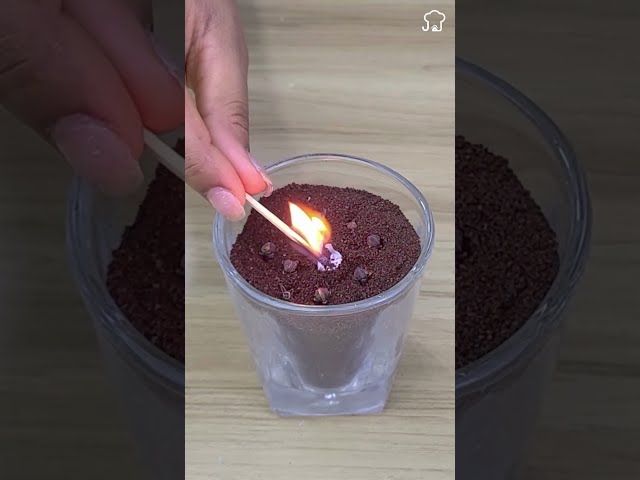
Eliminating these biting insects from one’s environment involves a multifaceted approach. This can range from simple preventative measures to more aggressive eradication techniques. The goal is to create a space free from these pests, promoting comfort and minimizing the risk of mosquito-borne illnesses. Successful mosquito control often requires a combination of strategies tailored to the specific environment and level of infestation.
For instance, using mosquito netting over beds provides a physical barrier against bites while indoors. Another common method involves eliminating standing water, which serves as a breeding ground for mosquitoes. These examples demonstrate the variety of approaches available for managing mosquito populations.
how to get rid of mosquitos
Effective mosquito control begins with identifying and eliminating breeding sites. Mosquitoes lay their eggs in standing water, so regularly emptying containers like flower pots, birdbaths, and gutters is essential. Even small amounts of water can harbor mosquito larvae. Maintaining proper drainage around the property can also significantly reduce mosquito populations. Addressing these breeding grounds is the first line of defense against infestations.
Using mosquito repellents is another crucial step in personal protection. Products containing DEET, picaridin, or oil of lemon eucalyptus are generally considered effective. Applying these repellents to exposed skin can significantly reduce the chances of mosquito bites. It is important to follow the instructions on the product label for safe and effective use. Reapplication may be necessary, especially after swimming or sweating.
Installing mosquito screens on windows and doors provides a physical barrier against mosquitoes entering homes. Ensuring that these screens are properly fitted and free of holes is important. This simple measure can significantly reduce the number of mosquitoes indoors, creating a more comfortable living environment. Regularly checking and repairing screens is recommended.
Outdoor spaces can be protected by using mosquito netting or fans. Netting can be draped over patios or gazebos to create a mosquito-free zone. Fans create air currents that make it difficult for mosquitoes to fly and land. These methods are particularly useful during peak mosquito activity periods, such as dawn and dusk. They provide a comfortable way to enjoy outdoor spaces without the nuisance of mosquitoes.
Certain plants are known to repel mosquitoes due to their natural fragrances. Citronella, lavender, and marigolds are just a few examples. Planting these around the perimeter of a property can help create a natural barrier against mosquitoes. This eco-friendly approach can complement other mosquito control methods. These plants also add aesthetic value to the landscape.
Mosquito dunks are small, donut-shaped products containing a bacterium that kills mosquito larvae. These dunks are placed in standing water, where they release the bacterium, effectively preventing mosquitoes from developing. This method is safe for humans, pets, and other wildlife, targeting only mosquito larvae. Mosquito dunks are a convenient and environmentally friendly solution for controlling mosquito populations in water features.
Professional pest control services can be employed for more severe infestations. These professionals have access to specialized equipment and insecticides that can effectively eliminate mosquito populations. They can also provide advice on preventative measures and long-term mosquito control strategies. Consulting with a professional is recommended for persistent or widespread infestations.
Maintaining a clean and tidy yard can also contribute to mosquito control. Removing debris, trimming vegetation, and keeping grass short eliminates potential hiding places for mosquitoes. This creates a less hospitable environment for these pests. Regular yard maintenance is an important aspect of overall mosquito management.
Important Points to Consider
-
Source Reduction:
Eliminating standing water is the most effective way to prevent mosquito breeding. This includes regularly emptying containers, cleaning gutters, and ensuring proper drainage. Even small puddles can serve as breeding grounds, so diligence is key. By removing these sources, you significantly reduce the mosquito population at its source.
-
Personal Protection:
Using mosquito repellents, wearing long sleeves and pants, and using mosquito netting are essential for personal protection. These measures create a barrier between you and mosquitoes, minimizing the risk of bites. Choosing the right repellent and applying it correctly is crucial for effectiveness. Remember to reapply repellent as needed, especially after swimming or sweating.
-
Habitat Modification:
Modifying your landscape to make it less attractive to mosquitoes can be beneficial. This includes trimming vegetation, removing debris, and ensuring proper drainage. Creating a less hospitable environment can deter mosquitoes from inhabiting your property. Regular maintenance is key to sustaining these modifications.
-
Biological Control:
Introducing mosquito-eating fish, such as Gambusia affinis, into ponds or water features can help control mosquito populations. These fish feed on mosquito larvae, effectively reducing their numbers. This is a natural and environmentally friendly method of mosquito control. However, it’s important to ensure that these fish are compatible with the existing ecosystem.
-
Professional Help:
For persistent or severe infestations, contacting a professional pest control service is recommended. They have the expertise and tools to effectively manage mosquito populations. Professional services can offer tailored solutions based on the specific environment and level of infestation. They can also provide advice on long-term prevention strategies.
-
Timing:
Mosquitoes are most active during dawn and dusk. Taking extra precautions during these times, such as using repellents or staying indoors, can reduce the risk of bites. Being mindful of peak activity periods can significantly improve your protection. Adjusting your outdoor activities to avoid these times can also be helpful.
-
Community Efforts:
Community-wide mosquito control programs are often more effective than individual efforts. Participating in or supporting these programs can benefit everyone in the area. These programs may involve coordinated source reduction, public education, and professional mosquito control services. Community involvement is crucial for comprehensive mosquito management.
Tips for Effective Mosquito Control
-
Empty standing water regularly:
This includes flower pots, birdbaths, buckets, and any other containers that can hold water. Mosquitoes breed in standing water, so removing these sources is crucial. Even small amounts of water can support mosquito larvae. Regularly emptying and cleaning these containers is essential for effective mosquito control.
-
Use mosquito repellents:
Choose a repellent containing DEET, picaridin, or oil of lemon eucalyptus. Apply it to exposed skin according to the product label instructions. Reapply as needed, especially after swimming or sweating. Mosquito repellents create a barrier that deters mosquitoes from landing and biting.
-
Install mosquito screens:
Ensure windows and doors have properly fitted screens to prevent mosquitoes from entering. Check screens regularly for holes and repair them promptly. Mosquito screens provide a physical barrier that keeps mosquitoes out while allowing fresh air to circulate.
-
Use mosquito netting:
Drape netting over patios, porches, or beds to create a mosquito-free zone. This provides a physical barrier against mosquitoes, allowing you to enjoy outdoor spaces without being bitten. Mosquito netting is particularly useful during peak mosquito activity periods.
-
Plant mosquito-repelling plants:
Consider planting citronella, lavender, marigolds, or other mosquito-repelling plants around your property. These plants release natural fragrances that deter mosquitoes. This eco-friendly approach can complement other mosquito control methods. These plants also add aesthetic value to your landscape.
Understanding the mosquito life cycle is crucial for effective control. Mosquitoes go through four stages: egg, larva, pupa, and adult. By targeting the larval stage, which occurs in standing water, you can significantly reduce the adult mosquito population. This knowledge informs the most effective control strategies, focusing on eliminating breeding grounds.
Different mosquito species have varying activity patterns. Some are most active during dawn and dusk, while others may bite throughout the day. Knowing the specific species prevalent in your area can help you tailor your control efforts. This targeted approach ensures maximum effectiveness in minimizing mosquito bites.
Mosquitoes are not just a nuisance; they can also transmit diseases. West Nile virus, Zika virus, and malaria are just a few examples of mosquito-borne illnesses. Effective mosquito control is essential for protecting public health and minimizing the risk of these diseases. Implementing preventative measures reduces the potential for exposure and transmission.
Climate change is impacting mosquito populations and their distribution. Warmer temperatures and increased rainfall can create more favorable breeding conditions for mosquitoes, leading to larger populations and wider geographical spread. Adapting mosquito control strategies to account for these changes is crucial for maintaining effectiveness. This requires ongoing monitoring and adjustments to existing methods.
Integrated mosquito management (IMM) is a holistic approach that combines multiple control methods for optimal results. This strategy may involve source reduction, biological control, chemical control, and personal protection measures. IMM aims to minimize the reliance on chemical insecticides while maximizing the effectiveness of other methods. This balanced approach promotes environmental sustainability and reduces potential risks associated with chemical use.
Community-wide mosquito control programs are often more effective than individual efforts. These programs typically involve coordinated source reduction, public education campaigns, and targeted insecticide applications. By working together, communities can achieve greater success in reducing mosquito populations and protecting public health. Collaboration and community participation are key to the success of these programs.
Research and development continue to explore new and innovative mosquito control technologies. These include genetically modified mosquitoes, mosquito traps, and novel repellents. These advancements offer promising solutions for more effective and sustainable mosquito control in the future. Staying informed about these developments can help individuals and communities adopt the latest and most effective strategies.
Educating oneself about mosquito control methods is essential for effective prevention and management. Understanding the mosquito life cycle, identifying breeding sites, and implementing appropriate control measures can significantly reduce mosquito populations and minimize the risk of bites and disease transmission. Empowering individuals with this knowledge is crucial for promoting public health and creating mosquito-free environments.
Frequently Asked Questions
John: What is the best way to prevent mosquitoes from breeding in my yard?
Prof. Design: The most effective way is to eliminate all sources of standing water. This includes emptying containers, cleaning gutters, and ensuring proper drainage. Even small amounts of water can support mosquito larvae. Regularly check for and eliminate any potential breeding sites.
Sarah: Are mosquito repellents safe for children?
Dr. Creative: Yes, mosquito repellents are generally safe for children when used according to the product label instructions. Choose repellents containing DEET, picaridin, or oil of lemon eucalyptus, and apply them sparingly. Avoid applying repellent to children’s hands, eyes, or mouth.
Ali: What should I do if I have a severe mosquito infestation?
Prof. Design: For severe infestations, it’s best to contact a professional pest control service. They have the expertise and equipment to effectively manage large mosquito populations. They can also provide advice on preventative measures and long-term control strategies.
Maria: Are there any natural ways to repel mosquitoes?
Dr. Creative: Yes, certain plants like citronella, lavender, and marigolds are known to repel mosquitoes due to their natural fragrances. Planting these around your property can create a natural barrier. You can also use fans to create air currents that make it difficult for mosquitoes to fly.
David: How often should I empty standing water to prevent mosquito breeding?
Prof. Design: You should empty standing water at least once a week, or more frequently after rainfall. Mosquitoes can develop from egg to adult in as little as a week, so regular emptying is essential to interrupt their life cycle.
Youtube Video: