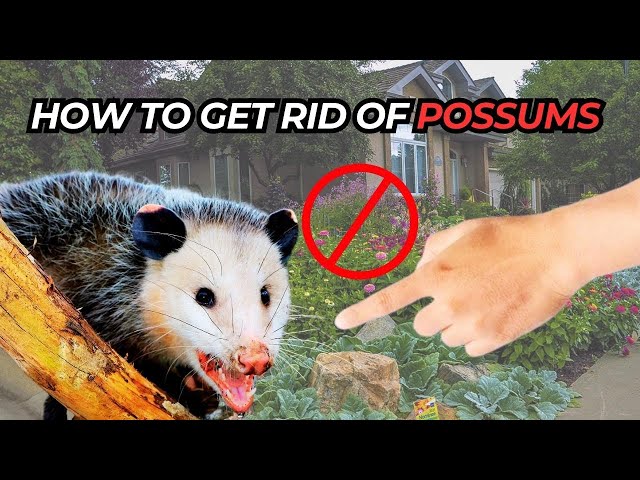
Possum removal involves implementing strategies to discourage these nocturnal marsupials from inhabiting one’s property. This can encompass a variety of methods, from eliminating food sources and sealing entry points to using deterrents and traps. Successful removal often requires a multi-pronged approach, addressing both the immediate presence of possums and the conditions that attract them. Understanding possum behavior is key to implementing effective and humane removal strategies.
For example, a homeowner might secure their garbage cans with tight-fitting lids and remove fallen fruit from their yard to eliminate food sources. Another example involves sealing openings under decks or sheds where possums might create dens. These actions, combined with other deterrents, can make a property less appealing to possums.
how to get rid of possums
The first step in possum removal is identifying and eliminating attractants. Possums are opportunistic feeders, drawn to readily available food sources. This includes pet food left outdoors, fallen fruit from trees, unsecured garbage bins, and compost heaps. Removing these attractants makes the environment less hospitable for possums.
Next, homeowners should inspect their property for potential entry points. Possums can squeeze through surprisingly small openings. Check for gaps under decks, sheds, and fences, as well as openings in roofs and attics. Sealing these entry points with wire mesh, caulk, or other appropriate materials prevents possums from gaining access.
Using deterrents can further discourage possums. Commercial repellents are available, but natural deterrents like ammonia-soaked rags or mothballs placed near den sites can also be effective. Bright lights installed in areas where possums are active can also deter them.
Trapping is another option for removing possums. Live traps are recommended, allowing for the humane relocation of the animals. Bait the traps with appealing food like fruit or peanut butter. Check traps regularly and relocate captured possums to a suitable location, following local regulations.
After removing possums, it’s crucial to clean and disinfect any areas they inhabited. Possum droppings can carry diseases, so thorough cleaning is essential for protecting human and pet health. Wear gloves and a mask during the cleaning process.
Prevention is key to long-term possum control. Maintain a clean yard, secure garbage cans, and regularly inspect your property for potential entry points. Trimming tree branches that overhang roofs can also prevent possums from accessing the attic.
Consider installing motion-activated sprinklers around the perimeter of your property. These sprinklers will startle possums and discourage them from approaching your home. The sudden burst of water is harmless but effective in deterring these animals.
Finally, consult with local wildlife control professionals for assistance if you’re struggling with a persistent possum problem. They have the expertise and resources to handle more complex situations and can offer tailored solutions for your specific needs.
Important Points to Consider
- Humane Removal: Prioritize humane removal methods, such as live trapping and relocation. Avoid using poisons or inhumane traps, as these can cause unnecessary suffering and may be illegal in some areas. Relocation should be done in accordance with local regulations to ensure the possum’s survival.
- Safety Precautions: When dealing with possums, always prioritize safety. Wear gloves when handling traps or cleaning up droppings to prevent the transmission of diseases. Avoid direct contact with possums, as they can carry parasites and may bite if threatened.
- Legal Considerations: Be aware of local regulations regarding possum removal and relocation. Some areas have specific guidelines that must be followed. Contact your local wildlife agency or animal control for information on permits and legal requirements.
- Professional Assistance: If you’re uncomfortable handling possum removal yourself, or if you’re facing a persistent problem, consider contacting a professional wildlife control service. They have the experience and equipment to handle the situation safely and effectively.
- Long-Term Prevention: Focus on preventative measures to discourage possums from returning to your property. This includes maintaining a clean yard, securing food sources, and sealing entry points. Ongoing vigilance is key to preventing future infestations.
- Understanding Possum Behavior: Learning about possum behavior can help you implement more effective removal strategies. Knowing their feeding habits, denning preferences, and activity patterns can inform your approach and increase your chances of success.
Tips for Effective Possum Removal
- Secure Garbage: Use tightly sealed garbage cans and store them in a secure location, such as a garage or shed. This prevents possums from accessing a readily available food source.
- Remove Pet Food: Bring pet food indoors at night, as this can attract possums. Ensure that any outdoor feeding areas are thoroughly cleaned after each use.
- Trim Trees and Shrubs: Trim branches that overhang your roof or provide access to attics and other potential den sites. This limits possums’ ability to reach vulnerable areas of your home.
- Install Motion-Activated Lights: Bright lights can deter possums from approaching your property. Install motion-activated lights around your home, particularly in areas where possums have been observed.
- Use Repellents: Commercial or natural repellents can discourage possums from entering your yard. Apply repellents around the perimeter of your property and near potential den sites.
Possums are nocturnal creatures, meaning they are most active at night. This is an important consideration when implementing removal strategies, as trapping and other methods may be more effective during their active hours. Understanding their nocturnal nature allows for more targeted interventions.
While often perceived as pests, possums play a beneficial role in the ecosystem. They consume insects, rodents, and snails, contributing to natural pest control. They also help to clean up carrion, contributing to the decomposition process.
Possums are not typically aggressive animals. They are more likely to play dead than to attack. However, they can bite if they feel threatened or cornered. It’s important to exercise caution and avoid direct contact.
Female possums carry their young in a pouch, similar to kangaroos. The young remain in the pouch for several months before venturing out on their own. Disrupting a mother possum with young can have negative consequences for the survival of the offspring.
Possums are marsupials, not rodents. This distinction is important because it means they are not susceptible to the same control methods as rats or mice. Using rodenticides to control possums is ineffective and can be harmful to other animals.
The presence of possums can sometimes indicate other underlying issues on a property. For example, abundant food sources or easy access to den sites can attract other wildlife as well. Addressing these issues can help prevent a variety of pest problems.
Possums have a strong sense of smell, which they use to locate food and navigate their surroundings. Using strong-smelling deterrents can effectively disrupt their foraging behavior and discourage them from entering your property.
While possums can be a nuisance, it’s important to remember that they are wild animals simply trying to survive. Employing humane and responsible removal methods is crucial for maintaining a balanced ecosystem and respecting wildlife.
Frequently Asked Questions
John: I found a possum in my attic. What should I do?
Prof. Design: Seal any potential entry points to prevent the possum from returning. Then, encourage the possum to leave by placing a bright light near the exit. Once the possum has left, ensure all entry points are sealed to prevent re-entry.
Sarah: Are possums dangerous to pets?
Dr. Creative: While possums are generally not aggressive, they can carry diseases and parasites that can be transmitted to pets. It’s best to keep pets away from possums and ensure they are vaccinated against relevant diseases.
Ali: What’s the best way to keep possums out of my garden?
Prof. Design: Install a fence around your garden, burying the bottom edge to prevent possums from digging underneath. Also, remove any fallen fruit or vegetables promptly and use netting to protect vulnerable plants.
Maria: I’ve tried everything, and the possums keep coming back. What should I do?
Dr. Creative: Contact a professional wildlife removal service. They have the expertise and resources to handle persistent possum problems and can provide tailored solutions for your specific situation.
Youtube Video: