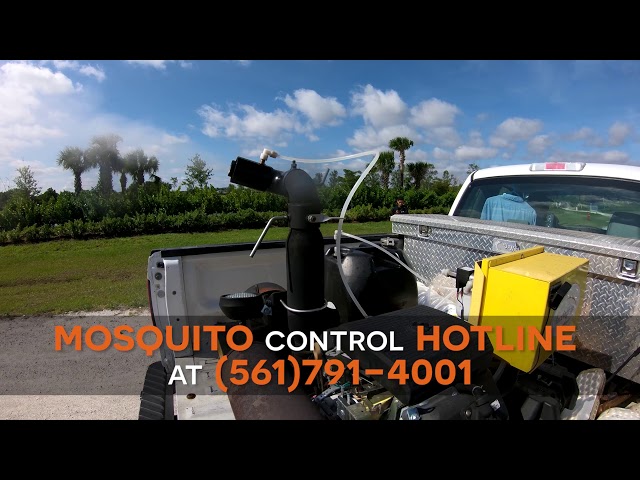
Managing insect populations that pose health risks and nuisance concerns is crucial for community well-being. Effective strategies often involve integrated approaches targeting breeding sites and adult insects. These measures can range from community-wide initiatives to individual property treatments. Protecting public health and enhancing quality of life are primary goals of such programs.
For instance, a city might implement a comprehensive plan involving larvicide application to stagnant water bodies and public education campaigns on eliminating mosquito breeding grounds. Another example could be a homeowner contracting a pest control service for targeted treatments around their property. These efforts aim to minimize the presence of these insects and the diseases they may carry.
Mosquito Control Wellington
Wellington, a region known for its varied landscapes and climates, faces unique challenges in managing mosquito populations. The presence of both urban and rural environments necessitates tailored control strategies. Factors such as rainfall, temperature, and proximity to natural water sources contribute to the complexity of the issue. Effective mosquito management in Wellington requires a comprehensive understanding of these local conditions.
Integrated pest management strategies are often employed, focusing on source reduction and targeted treatments. Source reduction involves eliminating breeding sites by removing standing water, clearing clogged drains, and maintaining proper drainage systems. This proactive approach aims to minimize mosquito populations at their source.
Targeted treatments can involve larvicides to control mosquito larvae in breeding sites. Adulticides are used to control adult mosquito populations, often through spraying or fogging. These treatments are carefully planned and executed to minimize environmental impact while maximizing effectiveness.
Community engagement plays a vital role in successful mosquito control efforts. Educating residents about mosquito breeding habits and preventative measures empowers them to contribute to the overall effort. This includes encouraging residents to eliminate standing water on their properties and take personal protective measures.
Surveillance programs are essential for monitoring mosquito populations and identifying potential disease vectors. Regular trapping and testing help authorities understand mosquito activity and assess the risk of mosquito-borne illnesses. This information informs targeted control strategies and public health recommendations.
Collaboration between local authorities, health agencies, and pest control professionals is crucial for effective mosquito management. Sharing information, coordinating efforts, and implementing integrated strategies ensure a comprehensive approach to mosquito control.
The effectiveness of mosquito control programs is regularly evaluated to adapt strategies and optimize resource allocation. Monitoring mosquito populations, tracking disease incidence, and assessing community feedback provide valuable insights for program improvement.
By implementing comprehensive and adaptive mosquito control strategies, Wellington aims to protect public health, enhance quality of life, and preserve the region’s natural environment. Ongoing efforts and community involvement are essential for achieving sustainable mosquito management.
Important Points to Consider
-
Source Reduction:
Eliminating mosquito breeding sites is the most effective long-term strategy. This includes removing standing water from containers, cleaning gutters, and maintaining proper drainage. Regular inspection and proactive measures can significantly reduce mosquito populations.
-
Targeted Treatments:
Larvicides and adulticides can be used to control mosquito populations at different stages of their life cycle. These treatments should be applied judiciously and in accordance with environmental regulations to minimize potential impacts on non-target organisms.
-
Community Engagement:
Educating the public about mosquito control measures is essential for successful program implementation. Providing information on personal protection, source reduction techniques, and reporting mosquito activity empowers residents to participate actively in mosquito management.
-
Surveillance and Monitoring:
Regular monitoring of mosquito populations and disease vectors is crucial for assessing risk and informing targeted control strategies. Trapping, testing, and data analysis provide valuable insights into mosquito activity and potential health threats.
-
Collaboration and Partnerships:
Effective mosquito control requires collaboration between various stakeholders, including local authorities, health agencies, and pest control professionals. Coordination of efforts and information sharing ensure a comprehensive and integrated approach.
-
Program Evaluation and Adaptation:
Regular evaluation of mosquito control programs is essential for optimizing effectiveness and resource allocation. Monitoring program outcomes, gathering community feedback, and adapting strategies based on data analysis contribute to continuous improvement.
Tips for Effective Mosquito Control
-
Empty and clean containers regularly:
Flowerpots, buckets, and other containers that can hold water should be emptied and scrubbed regularly to remove mosquito eggs and larvae. This simple step can significantly reduce mosquito breeding sites around homes and businesses.
-
Maintain gutters and downspouts:
Clogged gutters and downspouts can create ideal breeding grounds for mosquitoes. Regular cleaning ensures proper drainage and prevents water from accumulating.
-
Repair screens and seal openings:
Damaged screens on windows and doors allow mosquitoes to enter homes. Repairing screens and sealing any openings around windows and doors can effectively keep mosquitoes out.
-
Use personal protective measures:
Wearing long sleeves and pants, using mosquito repellent, and sleeping under mosquito nets can provide effective protection against mosquito bites. These measures are especially important during peak mosquito activity periods.
Understanding mosquito life cycles is crucial for effective control. Mosquitoes breed in standing water, progressing from eggs to larvae, pupae, and finally adults. Targeting each stage of the life cycle with appropriate control measures maximizes effectiveness.
Different mosquito species exhibit varying behaviors and preferences. Some species are more active during the day, while others are primarily nocturnal. Understanding these differences allows for tailored control strategies.
Mosquito-borne diseases pose a significant threat to public health. Diseases such as Zika, dengue, and West Nile virus can be transmitted through mosquito bites. Effective mosquito control plays a vital role in preventing these diseases.
Climate change can influence mosquito populations and disease transmission. Warmer temperatures and altered rainfall patterns can create more favorable conditions for mosquito breeding and survival. Adapting mosquito control strategies to these changing conditions is crucial.
Public education campaigns play a vital role in raising awareness about mosquito control and personal protection. Informing communities about mosquito-borne diseases and preventative measures empowers individuals to take action.
Research and development of new mosquito control technologies are continually advancing. Innovative approaches such as mosquito traps, biological control agents, and genetic modification techniques offer promising solutions for future mosquito management.
Environmental considerations are important in mosquito control. Minimizing the use of pesticides and employing environmentally friendly control methods protect ecosystems and beneficial insects.
Sustainable mosquito control requires a long-term commitment and community involvement. Ongoing efforts, regular monitoring, and adaptive strategies are essential for maintaining effective mosquito management.
Frequently Asked Questions
John: What are the most common mosquito species in Wellington?
Prof. Design: While specific species vary depending on the microclimate and time of year, Wellington commonly sees species like the Southern Saltmarsh Mosquito and the Asian Tiger Mosquito. It’s best to consult local resources for precise identification.
Sarah: Are mosquito repellents safe for children and pets?
Dr. Creative: Yes, but it’s crucial to choose repellents specifically formulated for children or pets and follow the product label instructions carefully. Consult a pediatrician or veterinarian if you have any concerns.
Ali: How can I report a mosquito infestation in my neighborhood?
Prof. Design: Contact your local council or health department. They can investigate the issue and implement appropriate control measures. Providing detailed information about the location and extent of the infestation can help them respond effectively.
Maria: What is the best way to prevent mosquitoes from breeding in my backyard pond?
Dr. Creative: Introducing mosquito-eating fish, like Gambusia, can be effective. Alternatively, regularly using mosquito dunks or larvicides, which contain bacteria that target mosquito larvae, can help control their population without harming other aquatic life. Ensure adequate water circulation as stagnant water encourages breeding.
David: How often should I empty and clean containers in my yard to prevent mosquito breeding?
Prof. Design: Aim to empty and scrub any containers that hold water at least once a week. This disrupts the mosquito life cycle and prevents larvae from developing into adults. Pay particular attention to items like flowerpots, birdbaths, and discarded tires.
Youtube Video: