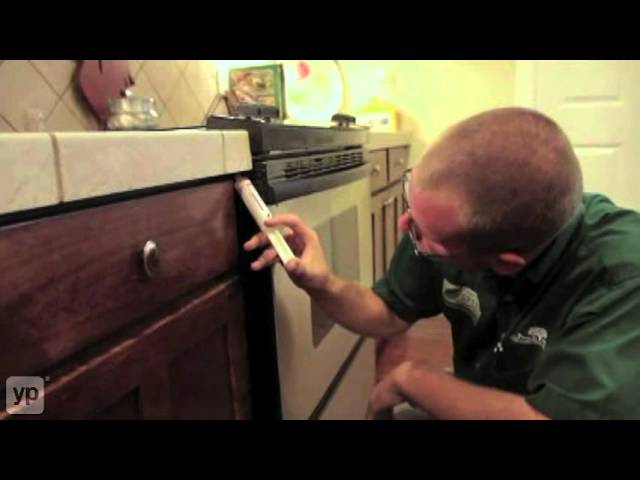
Managing unwanted infestations in urban environments requires specialized services to protect homes and businesses. These services address a wide range of pests, from insects like ants and termites to rodents like rats and mice. Effective management often involves a combination of preventative measures and targeted treatments. Choosing the right service provider depends on the specific pest problem, the size of the property, and the desired level of intervention.
For instance, a homeowner dealing with a termite infestation would require different services than a restaurant owner managing a cockroach problem. Another example would be a property manager seeking preventative measures against rodent infestations in an apartment complex. The specific needs and challenges of each situation dictate the appropriate course of action.
pest control atlanta
Atlanta’s humid subtropical climate creates a conducive environment for a variety of pests. The city’s dense population and abundance of green spaces further contribute to pest pressures. Therefore, professional pest management is essential for maintaining healthy homes and businesses throughout the metropolitan area.
Effective pest control in Atlanta requires a comprehensive understanding of local pest species and their behavior. Professionals in the field employ integrated pest management (IPM) strategies, focusing on prevention, monitoring, and targeted treatments. This approach minimizes the use of pesticides while maximizing effectiveness.
Choosing a reputable pest control company in Atlanta involves considering factors like licensing, insurance, and experience. Customer reviews and testimonials can provide valuable insights into the quality of service and customer satisfaction. Thorough inspections and customized treatment plans are hallmarks of a reliable provider.
Common pests in Atlanta include termites, ants, roaches, rodents, and mosquitoes. Each pest requires specific treatment methods and preventative measures. For example, termite control often involves soil treatments and baiting systems, while rodent control focuses on exclusion, trapping, and sanitation.
Preventative measures play a crucial role in minimizing pest infestations. Regular cleaning, sealing cracks and crevices, and proper landscaping can significantly reduce pest pressures. Homeowners and businesses can take proactive steps to create less hospitable environments for pests.
The cost of pest control services in Atlanta varies depending on the type of pest, the size of the property, and the frequency of treatments. Obtaining multiple quotes from different providers is recommended to ensure competitive pricing and value for money.
Eco-friendly pest control options are becoming increasingly popular in Atlanta. These methods prioritize the use of natural and low-impact pesticides, minimizing environmental impact and health risks. Consumers can choose providers who offer sustainable pest management solutions.
Regular inspections and ongoing monitoring are essential for long-term pest control success. Early detection of infestations allows for prompt intervention, preventing minor problems from escalating into major infestations. A proactive approach is key to maintaining a pest-free environment.
Important Points
- Licensed and Insured Professionals: Ensure the pest control company you choose is licensed and insured. This protects you from liability and ensures they adhere to industry standards. Licensing requirements vary by state, so verify their credentials with local authorities. Insurance coverage protects you in case of accidents or damages during the treatment process.
- Integrated Pest Management (IPM): Opt for companies that practice IPM. This approach prioritizes prevention and targeted treatments, minimizing pesticide use. IPM focuses on long-term solutions rather than just reacting to infestations. It considers the entire ecosystem and aims to create an environment less conducive to pests.
- Customized Treatment Plans: A reputable company will tailor treatments to your specific needs. They should conduct a thorough inspection to identify the pest, the extent of the infestation, and any contributing factors. A one-size-fits-all approach is rarely effective in pest control.
- Clear Communication: Choose a company that clearly explains the treatment process, the products used, and any potential risks. They should be responsive to your questions and concerns. Open communication fosters trust and ensures you are comfortable with the chosen course of action.
- Guaranteed Service: Reputable companies often offer guarantees on their services. This provides peace of mind knowing that they will return if the pest problem persists. Clarify the terms of the guarantee before signing any contracts.
- Regular Inspections: Preventative inspections can help catch infestations early. Regular monitoring allows for prompt intervention and prevents minor issues from becoming major problems. This proactive approach is crucial for long-term pest control success.
- Local Expertise: Companies with local experience understand the specific pest challenges in your area. They are familiar with the climate, common pests, and effective treatment methods. This local knowledge is invaluable in providing effective pest control.
- Customer Reviews: Check online reviews and testimonials to gauge customer satisfaction. Real-world experiences can offer valuable insights into the quality of service and the company’s reputation. Look for patterns in feedback to get a comprehensive understanding.
- Eco-Friendly Options: Consider companies that offer eco-friendly pest control solutions. These methods prioritize the use of natural and low-impact pesticides, minimizing environmental harm. This is a responsible choice for protecting your family and the environment.
- Price Comparisons: Get multiple quotes from different companies to compare pricing and services. This ensures you are getting a competitive price and value for your money. Don’t automatically choose the cheapest option; consider the overall value and quality of service.
Tips and Details
- Seal Entry Points: Seal cracks and crevices around your home to prevent pests from entering. This includes gaps around windows, doors, pipes, and utility lines. Even small openings can provide access for insects and rodents.
- Proper Landscaping: Trim vegetation away from your home’s foundation. Overgrown shrubs and trees can provide hiding places and pathways for pests to reach your house. Maintain a clear zone around the perimeter.
- Store Food Properly: Store food in airtight containers to prevent attracting pests. Crumbs and spills should be cleaned up promptly. Proper food storage is essential for preventing infestations.
- Remove Standing Water: Eliminate standing water around your property, as it provides breeding grounds for mosquitoes. Empty birdbaths, flowerpots, and other containers regularly. Proper drainage is also important.
- Regular Cleaning: Regular cleaning and sanitation are crucial for preventing pest infestations. Vacuuming, mopping, and dusting regularly removes food sources and disrupts pest activity. A clean environment is less attractive to pests.
Atlanta’s thriving restaurant scene necessitates diligent pest control practices. Food establishments must maintain high sanitation standards to comply with health regulations and protect their reputation. Effective pest management is critical for ensuring food safety and customer confidence.
Residential properties in Atlanta benefit from regular pest control services. Protecting homes from infestations safeguards the health and well-being of residents. Professional pest control helps maintain a comfortable and healthy living environment.
Commercial properties in Atlanta, including offices and retail spaces, require tailored pest control solutions. Maintaining a pest-free environment is essential for productivity, employee morale, and customer satisfaction. Professional pest control creates a positive and professional image.
The diverse range of pests in Atlanta requires specialized treatment methods. From termites to rodents, each pest presents unique challenges. Experienced pest control professionals possess the knowledge and tools to address a wide variety of infestations.
Preventative pest control measures offer long-term cost savings. Addressing potential problems before they escalate prevents costly repairs and extensive treatments. Proactive measures are a wise investment in protecting property value.
Choosing the right pest control company in Atlanta requires careful consideration. Researching different providers and comparing their services ensures you find the best fit for your specific needs. A reputable company will prioritize customer satisfaction and long-term results.
The use of environmentally friendly pest control methods is gaining popularity in Atlanta. These methods minimize the impact on the environment and human health. Eco-conscious consumers can choose providers who offer sustainable solutions.
Pest control is an ongoing process, not a one-time event. Regular monitoring and preventative measures are crucial for maintaining a pest-free environment. A proactive approach is essential for long-term success.
FAQ
John: How often should I schedule pest control treatments?
Prof. Design: The frequency of treatments depends on the specific pest, the severity of the infestation, and your individual needs. Generally, quarterly treatments are recommended for preventative maintenance, while more frequent visits may be necessary for active infestations. A qualified pest control professional can assess your situation and recommend an appropriate treatment schedule.
Sarah: Are pest control treatments safe for my pets?
Dr. Creative: Most modern pest control treatments are designed to be safe for pets when applied correctly. However, it’s important to inform your pest control technician about any pets you have so they can take appropriate precautions. They may recommend keeping pets out of the treated areas for a specific period. Always follow the technician’s instructions carefully.
Ali: What should I do if I see pests after a treatment?
Prof. Design: It’s not uncommon to see a few pests after the initial treatment, as it can take time for the products to take full effect. However, if you continue to see pests after a reasonable period, contact your pest control company. They may need to return for a follow-up treatment or adjust their approach.
Maria: How can I prevent pest infestations in my home?
Dr. Creative: Several preventative measures can significantly reduce the risk of pest infestations. These include sealing cracks and crevices, maintaining proper sanitation, storing food in airtight containers, eliminating standing water, and keeping landscaping trimmed away from your home’s foundation. A proactive approach is key to preventing pest problems.
Youtube Video: