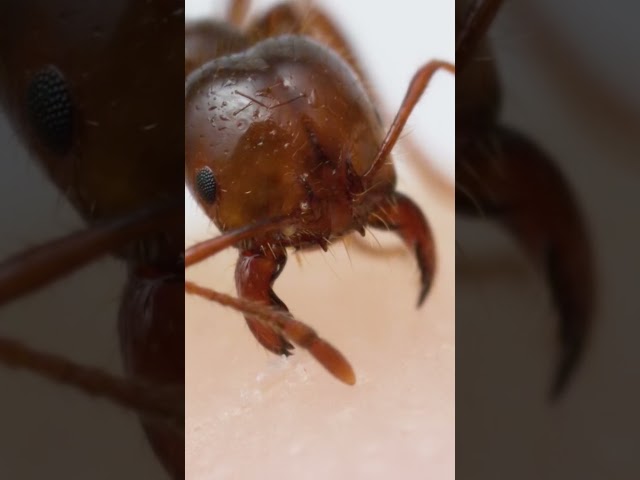
These stinging insects are a common pest in many regions, known for their aggressive behavior and painful bites. For example, they are frequently found in disturbed soil, such as lawns, gardens, and along roadsides. Colonies can be identified by their characteristic mounds, which can range from small, inconspicuous bumps to large, dome-shaped structures. Understanding their appearance is key to proper identification and management.
what do fire ants look like
Fire ants are reddish-brown to black in color, with the abdomen often being darker than the head and thorax. Their size varies depending on the caste, with workers typically measuring 2 to 6 millimeters in length. Queens are significantly larger, reaching up to 15 millimeters. The body is segmented, with a distinct head, thorax, and abdomen.
A key characteristic of fire ants is their ten-segmented antennae, which end in a two-segmented club. This clubbed antennae distinguishes them from many other ant species. They also possess powerful mandibles used for carrying food, digging, and defense. Their legs are relatively long and slender, allowing for quick movement.
The stinger, located at the tip of the abdomen, is a crucial feature for both defense and prey capture. It is connected to a venom sac containing piperidine alkaloids, which cause the characteristic burning sensation of their sting. The stinger is capable of injecting venom multiple times.
Fire ant colonies often consist of thousands of individuals, with multiple queens in some species. The mounds they build serve as both protection and a regulated environment for the colony. These mounds can be disruptive to landscapes and can damage electrical equipment.
Variations in appearance can exist between different fire ant species. For example, the Southern fire ant (Solenopsis invicta) is a particularly aggressive and invasive species. Identifying the specific species present is important for effective control measures.
Observing fire ants closely can reveal their characteristic foraging behavior. They often travel in trails, searching for food sources such as insects, seeds, and sugary substances. Their aggressive nature becomes apparent when the colony is disturbed.
Proper identification of fire ants is crucial for avoiding painful stings and implementing appropriate control measures. Misidentification can lead to ineffective treatments and potential harm to other beneficial insects. Consulting with pest control professionals is recommended for accurate identification and effective management strategies.
Understanding the appearance of fire ants also allows for better public awareness and education. This knowledge can help individuals avoid contact with fire ants and take appropriate precautions when encountering their mounds.
Important Points to Remember
-
Size and Color:
Fire ants are small, ranging from 2 to 6 millimeters for workers and up to 15 millimeters for queens. Their color varies from reddish-brown to black, with the abdomen often darker.
-
Segmented Body:
Like all insects, fire ants have a segmented body divided into a head, thorax, and abdomen. The thorax connects to six legs and, in the case of reproductive ants, wings.
-
Clubbed Antennae:
Fire ants have distinctive ten-segmented antennae that end in a two-segmented club. This feature helps distinguish them from other ant species.
-
Stinger:
The stinger, located at the tip of the abdomen, is a key characteristic. It injects venom causing a painful, burning sensation.
-
Mounds:
Fire ants build characteristic mounds of varying sizes, which serve as their nests. These mounds are often found in disturbed soil.
-
Aggressive Behavior:
Fire ants are known for their aggressive behavior when their colony is disturbed. They will swarm and sting repeatedly.
-
Varied Species:
Different fire ant species exist, with variations in appearance and behavior. Accurate identification is important for effective control.
-
Foraging Behavior:
Fire ants typically forage in trails, seeking food sources like insects, seeds, and sugary substances.
-
Importance of Identification:
Correctly identifying fire ants is crucial for avoiding stings and implementing proper control measures. Misidentification can lead to ineffective treatments.
Tips for Dealing with Fire Ants
-
Avoid Disturbing Mounds:
Do not disturb fire ant mounds. This can provoke them and lead to stings. Teach children to avoid mounds as well. If a mound must be removed, consult with a pest control professional.
-
Wear Protective Clothing:
When working outdoors in areas where fire ants are present, wear closed-toe shoes, long pants, and gloves. This can help minimize the risk of stings.
-
Treat Stings Promptly:
If stung, wash the area with soap and water. Apply a cold compress to reduce swelling and pain. Over-the-counter pain relievers can also help.
-
Seek Medical Attention if Necessary:
If you experience a severe allergic reaction to a fire ant sting, such as difficulty breathing or swelling of the face, seek immediate medical attention.
Fire ants are highly adaptable insects, capable of thriving in a variety of environments. Their ability to build extensive underground tunnels and quickly rebuild mounds after disturbances contributes to their resilience. Understanding their adaptability is crucial for developing effective long-term management strategies.
The social structure of fire ant colonies is complex, with a hierarchy of queens, workers, and males. The queen’s primary role is reproduction, while the workers perform various tasks, including foraging, caring for the young, and defending the colony. This division of labor allows for efficient colony function.
Fire ants play a role in the ecosystem, both as predators and prey. They consume other insects, contributing to pest control in some cases. However, they can also negatively impact native ant populations and other invertebrates. Their ecological impact is a subject of ongoing research.
The spread of invasive fire ant species, such as the Southern fire ant, has caused significant economic and ecological damage. These invasive species often outcompete native ant populations and can disrupt agricultural practices. Control efforts are crucial for mitigating their impact.
Research on fire ant biology and behavior is ongoing, leading to new insights into their communication, foraging strategies, and venom composition. This research contributes to the development of more effective and targeted control methods.
Public awareness campaigns play a vital role in educating communities about fire ant identification, prevention, and control. These campaigns empower individuals to take proactive steps to protect themselves and their properties from fire ant infestations.
Integrated pest management strategies, which combine multiple control methods, offer a more sustainable approach to managing fire ant populations. These strategies may include chemical treatments, biological control agents, and cultural practices that discourage fire ant establishment.
The impact of climate change on fire ant distribution and behavior is an area of growing concern. Changes in temperature and precipitation patterns could influence the spread of invasive species and alter their ecological interactions.
Frequently Asked Questions
John: What should I do if I get stung by a fire ant?
Prof. Design: Wash the sting site with soap and water and apply a cold compress. Over-the-counter pain relievers can help alleviate the discomfort. If you experience a severe reaction, seek immediate medical attention.
Sarah: How can I prevent fire ants from infesting my yard?
Dr. Creative: Maintain a well-maintained lawn, remove potential food sources, and consider using granular bait products. Consulting with a pest control professional can provide tailored prevention strategies.
Ali: Are all fire ants aggressive?
Prof. Design: While most fire ant species are known for their aggressive behavior when disturbed, the level of aggression can vary. However, it’s best to avoid all fire ant mounds and treat any encounters with caution.
John: What’s the best way to get rid of a fire ant mound?
Dr. Creative: Contacting a qualified pest control professional is generally recommended for effective and safe mound removal. They can assess the situation and implement the most appropriate treatment strategy.
Youtube Video: