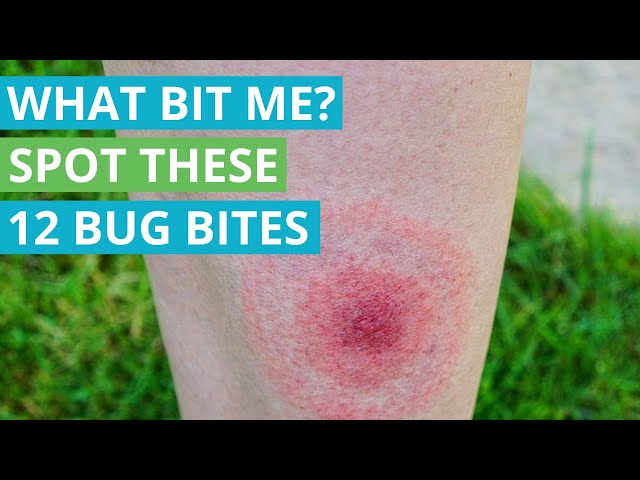
Skin reactions resembling insect bites can sometimes be misattributed to a variety of pests. These reactions often manifest as small, red, itchy welts, occasionally accompanied by slight swelling. Determining the true cause requires careful observation and, sometimes, professional consultation. Differentiating between various insect bites can be challenging due to similar appearances, making accurate identification crucial for effective treatment.
For instance, a small, itchy bump on the arm might be mistaken for a mosquito bite, or a cluster of welts could be attributed to bed bugs. However, other factors, including environmental irritants or even allergic reactions, can mimic insect bites. Understanding these nuances is important for addressing the underlying issue properly. A proper diagnosis ensures the correct treatment is applied, preventing unnecessary discomfort and potential complications.
what does termite bites look like
Termites themselves do not bite humans. Their primary focus is consuming wood and other cellulose-based materials. Therefore, the notion of a “termite bite” is a misnomer, often used to describe skin irritations caused by contact with termite-related elements. This can include contact with their defensive secretions or dust from infested wood.
Some termite species, particularly soldier termites, possess powerful mandibles used to defend their colonies. These mandibles can pinch human skin if the termites feel threatened, resulting in a slight pinch or pressure sensation, but not a true bite that breaks the skin. This sensation is often followed by mild redness and irritation, similar to a light scratch.
Furthermore, some individuals may experience allergic reactions to termite saliva, fecal matter, or shed exoskeletons present in infested wood dust. This can manifest as itchy welts or hives, often mistaken for bites. These reactions vary in severity depending on individual sensitivities and the level of exposure.
Exposure to termite-infested wood dust can also cause skin irritation. The fine particles can become embedded in the skin, leading to itching and redness. This is particularly common during renovation or demolition work in areas with termite infestations. Proper protective gear, including gloves and long sleeves, can minimize exposure and prevent these reactions.
It is important to differentiate between actual insect bites and skin irritation caused by termites. Actual insect bites often present as distinct, localized swellings with a puncture mark. In contrast, termite-related skin irritation typically appears as more generalized redness and itching.
If experiencing persistent skin irritation after contact with potentially termite-infested areas, it is advisable to consult a dermatologist or allergist. They can accurately diagnose the cause of the irritation and recommend appropriate treatment. This is particularly important if the irritation is severe or accompanied by other symptoms.
While the idea of termite bites is a misconception, the discomfort associated with termite activity is real. Understanding the various ways termites can indirectly affect human skin can help prevent and manage these irritations. Taking preventative measures, such as addressing termite infestations promptly, can further minimize the risk of these issues.
Proper identification of the source of skin irritation is crucial for effective treatment. Assuming all skin reactions are insect bites can lead to misdiagnosis and ineffective treatment. Consulting a medical professional is recommended for persistent or severe skin irritations.
Important Points to Remember
- Termites do not bite. Termites feed on wood, not human blood. Skin irritation often attributed to “termite bites” is typically a reaction to their defensive secretions or dust from infested wood.
This distinction is crucial for understanding the true nature of the skin reaction and for implementing the appropriate treatment. Mistaking a termite-related irritation for an insect bite can lead to ineffective treatment and prolonged discomfort. Recognizing that termites themselves are not biting helps focus on the actual cause of the irritation.
Soldier termites can pinch. Soldier termites have strong mandibles used for defense. While they can pinch human skin, this does not break the skin and is not considered a bite in the traditional sense.
This pinch can cause a mild, localized irritation similar to a scratch. The sensation is usually brief and the resulting redness and itching are generally mild and resolve quickly. It is important to distinguish this pinch from an actual bite that punctures the skin.
Allergic reactions are possible. Some people are allergic to termite saliva, fecal matter, or exoskeletons. These allergies can manifest as itchy welts, hives, or other skin irritations.
Allergic reactions can vary in severity depending on individual sensitivities. Some individuals may experience mild itching and redness, while others may develop more pronounced reactions like hives or widespread rashes. Seeking medical advice is recommended if an allergic reaction is suspected.
Wood dust can irritate skin. Fine particles from termite-infested wood can irritate the skin, causing itching and redness.
This irritation is often mistaken for bites. The dust can become embedded in the skin, leading to prolonged discomfort. Wearing protective gear, such as gloves and long sleeves, can help prevent this type of irritation.
Protective gear is important. When working in areas with potential termite activity, wearing gloves and long sleeves can minimize skin exposure to irritants.
This is especially important during renovation or demolition work where exposure to termite-infested wood dust is likely. Protecting the skin from contact with these irritants is the most effective way to prevent reactions.
Consult a professional. If you experience persistent skin irritation after contact with potentially termite-infested areas, consult a dermatologist or allergist.
A medical professional can accurately diagnose the cause of the irritation and recommend the appropriate treatment. Self-treating based on assumptions can delay proper care and potentially worsen the condition.
Proper identification is crucial. Distinguishing between actual insect bites and termite-related skin irritation is important for effective treatment.
Insect bites typically have a distinct puncture mark, while termite-related irritation is often more generalized redness and itching. Understanding these differences can guide you toward the correct course of action.
Address infestations promptly. Addressing termite infestations quickly can minimize the risk of skin irritation and other problems associated with termite activity.
Eliminating the source of the problem is the most effective long-term solution. Professional pest control services can effectively address termite infestations and prevent further damage to property and potential health issues.
Focus on prevention. Taking preventative measures, such as regular termite inspections and proper wood maintenance, can help avoid termite-related issues altogether.
Prevention is always the best approach. Regular inspections can detect infestations early, allowing for prompt treatment and minimizing the risk of further damage and potential skin irritations. Proper wood maintenance, such as sealing cracks and crevices, can also deter termites.
Tips for Managing Potential Termite-Related Skin Irritation
- Wash the affected area. Thoroughly wash the affected area with soap and water to remove any irritants.
This helps remove any remaining termite debris or irritants from the skin. Use mild soap and cool water to avoid further irritating the affected area. Gently pat the skin dry after washing.
Apply a cold compress. Applying a cold compress can help reduce itching and inflammation.
Wrap a few ice cubes in a clean cloth and apply it to the affected area for 10-15 minutes at a time. This can provide temporary relief from itching and swelling. Avoid applying ice directly to the skin.
Use over-the-counter remedies. Over-the-counter antihistamine creams or hydrocortisone creams can help relieve itching.
Follow the instructions on the product label carefully. If the itching is severe or persistent, consult a medical professional. They can recommend stronger or more targeted treatments if necessary.
Avoid scratching. Scratching can worsen the irritation and potentially lead to infection.
Keep fingernails trimmed short to minimize the risk of breaking the skin. If the urge to scratch is overwhelming, try gently tapping the area instead. Distracting yourself with another activity can also help.
Understanding the difference between actual insect bites and other skin irritations is crucial for proper treatment. Misidentifying the cause can lead to ineffective remedies and prolonged discomfort. Taking the time to carefully observe the affected area and considering potential environmental factors can help determine the true source of the problem. Consulting a medical professional is always recommended for persistent or worsening skin conditions.
Termites play a vital role in the ecosystem by breaking down dead wood and other cellulose materials. However, their presence in human structures can cause significant damage. Understanding their behavior and the potential health implications of exposure to termite-related materials is essential for effective pest management and protecting human health. Regular inspections and preventative measures are crucial for minimizing the risk of termite infestations.
Protecting one’s home from termite infestations requires a multi-faceted approach. This includes regular inspections, proper wood maintenance, and addressing any moisture issues that may attract termites. Creating a barrier between the soil and wooden structures can also help prevent termite entry. Professional pest control services can provide expert advice and effective treatment options.
The economic impact of termite damage is significant. Homeowners spend billions of dollars annually on termite control and repairs. Early detection and prompt treatment are essential for minimizing the cost of termite damage. Investing in preventative measures can save homeowners significant expense in the long run.
Different termite species have varying behaviors and preferences. Understanding the specific type of termite present in a particular region can inform targeted control strategies. Professional pest control operators can identify the termite species and recommend the most effective treatment methods. This tailored approach maximizes the effectiveness of the control measures.
Environmental factors play a significant role in termite activity. Moisture, temperature, and the availability of food sources all influence termite behavior and colony growth. Addressing these factors can help deter termites and create a less hospitable environment for them. Proper ventilation and drainage can significantly reduce moisture levels and make a property less attractive to termites.
The construction of a home can influence its susceptibility to termite infestations. Using termite-resistant materials and incorporating appropriate building practices can help minimize the risk of termite damage. Consulting with a building professional knowledgeable about termite prevention can ensure that appropriate measures are taken during construction or renovation projects.
Public awareness and education are essential for effective termite control. Understanding the signs of a termite infestation and the importance of preventative measures can empower homeowners to protect their properties. Community outreach programs and educational resources can help disseminate this important information and promote responsible pest management practices.
Frequently Asked Questions
John: I found some small red bumps on my skin after working in my shed. Could these be termite bites?
Prof. Design: It’s unlikely. Termites don’t bite humans. The bumps you’re seeing are more likely a reaction to something else, perhaps an allergic reaction to termite frass (droppings) or wood dust, or even a different insect bite altogether. I recommend consulting a dermatologist or allergist for a proper diagnosis.
Sarah: I saw some termites crawling on my deck. Should I be worried about getting bitten?
Dr. Creative: While termites themselves don’t bite, soldier termites can pinch if they feel threatened. This can cause minor skin irritation. The best course of action is to address the termite infestation directly by contacting a pest control professional.
Ali: I’m renovating my basement, which had a previous termite infestation. What precautions should I take to avoid skin problems?
Prof. Design: Excellent question. Wear protective gear, including gloves, long sleeves, and a dust mask, to minimize skin contact with wood dust and other potential irritants. If you experience any skin irritation, wash the affected area thoroughly and consult a medical professional if necessary.
Maria: How can I tell the difference between a termite pinch and other insect bites?
Dr. Creative: A termite pinch typically causes a brief, mild pinching sensation followed by slight redness and itching, without a puncture wound. Other insect bites often result in more distinct, localized swellings and may have a visible puncture mark. If you’re unsure, it’s best to consult a medical professional.
David: My child has developed itchy welts after playing near a woodpile. Could this be related to termites?
Prof. Design: It’s possible. While termites don’t bite, some people are allergic to their saliva or droppings. It’s best to have your child checked by a doctor to determine the cause of the welts and receive appropriate treatment.
Youtube Video: