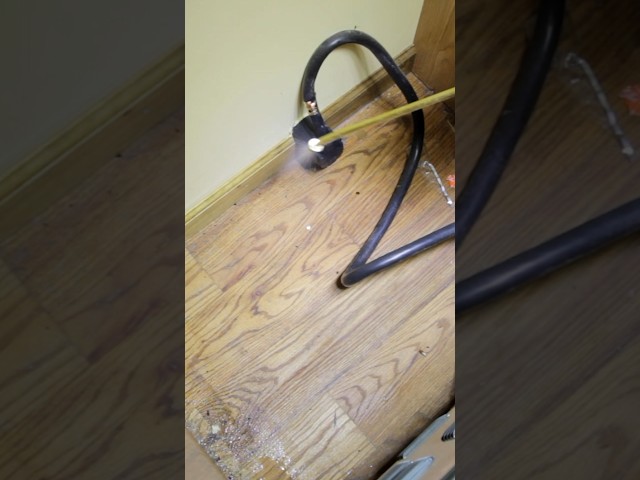
Professional cockroach extermination services utilize various insecticides to eliminate infestations. These treatments target roaches at different stages of their life cycle, aiming to disrupt breeding patterns and eradicate the entire population. The timing and frequency of these applications depend on the severity of the infestation and the specific insecticide used. Understanding the treatment process and cooperating with pest control professionals is crucial for effective roach elimination.
For example, a technician might apply a residual insecticide to baseboards and cracks, which remains active for weeks or months, killing roaches that come into contact with it. Another approach involves using bait stations containing a slow-acting poison that roaches carry back to their nests, effectively eliminating a larger portion of the colony. These methods, combined with preventative measures, are essential for long-term roach control.
When Pest Control Sprays for Roaches
The timing of cockroach treatments is crucial for maximizing effectiveness. Pest control professionals often schedule treatments during periods of low activity for residents or businesses, minimizing disruption. This might involve evening or early morning appointments. Additionally, the specific type of roach and the severity of the infestation influence the treatment schedule.
Initial treatments typically focus on eliminating the visible roach population. Follow-up treatments are then scheduled to target any remaining roaches or newly hatched nymphs. This multi-pronged approach ensures complete eradication and prevents re-infestation. The interval between treatments can vary from a few weeks to several months, depending on the specific situation.
Certain environmental factors, such as temperature and humidity, can affect the efficacy of insecticides. Pest control professionals take these factors into account when determining the optimal time for treatment. For example, high humidity can reduce the effectiveness of some insecticides, requiring adjustments to the application method or product selection.
Preparation before a treatment is essential for maximizing its impact. This might involve clearing clutter, emptying cabinets, and covering food items. Following the pest control professional’s instructions regarding preparation is crucial for ensuring the safety of residents and the effectiveness of the treatment.
After the treatment, certain precautions should be taken. These might include avoiding contact with treated surfaces until they are dry, ventilating the area, and following any specific instructions provided by the pest control professional. These measures help to minimize exposure to residual insecticides and ensure the safety of occupants.
Regular inspections by pest control professionals are crucial for preventing re-infestation. These inspections allow for early detection of any new roach activity and prompt implementation of preventative measures. This proactive approach is key to maintaining a roach-free environment.
Integrated pest management strategies, which combine chemical treatments with preventative measures, are becoming increasingly popular. These strategies focus on eliminating the conditions that attract roaches, such as food debris and moisture, in addition to using insecticides. This holistic approach provides long-term and sustainable roach control.
Communication between the pest control professional and the client is essential throughout the treatment process. Open communication ensures that the treatment plan is tailored to the specific needs of the client and that any concerns are addressed promptly. This collaborative approach is key to achieving successful and lasting results.
Important Points to Consider
-
Professional Expertise:
Engaging qualified pest control professionals is essential for effective roach extermination. Their knowledge of roach behavior, insecticide application techniques, and safety protocols ensures a thorough and safe treatment. Attempting DIY methods can often exacerbate the problem and pose health risks. Professional services offer tailored solutions based on the specific infestation and environment.
-
Treatment Timing:
The timing of insecticide application is critical. Professionals consider factors like roach activity patterns, environmental conditions, and the specific insecticide used. Strategic timing maximizes the effectiveness of the treatment and minimizes disruption to occupants. Coordinating with the pest control company ensures the most opportune treatment window.
-
Preparation and Post-Treatment Care:
Proper preparation before and after treatment is essential for safety and efficacy. Following the pest control professional’s instructions regarding cleaning, covering food, and ventilation ensures optimal results. Neglecting these steps can compromise the treatment’s effectiveness and potentially expose occupants to residual insecticides. Thorough preparation creates a conducive environment for the treatment to work effectively.
-
Integrated Pest Management:
Adopting an integrated pest management approach provides long-term solutions. This strategy combines chemical treatments with preventative measures like sanitation and exclusion. Addressing the root causes of infestation, such as food sources and entry points, prevents future problems. This holistic approach offers sustainable and effective roach control.
-
Regular Inspections:
Regular inspections by pest control professionals are crucial for preventing re-infestation. These inspections allow for early detection of any new roach activity and the prompt implementation of preventative measures. This proactive approach is key to maintaining a roach-free environment. Regular monitoring helps to identify potential issues before they escalate into major infestations.
-
Safety Precautions:
Following safety precautions is paramount during and after treatment. This includes minimizing exposure to insecticides, ventilating treated areas, and following the pest control professional’s instructions. Protecting the health of occupants and pets is a top priority. Adhering to safety guidelines ensures a safe and effective treatment process.
-
Communication with Professionals:
Open communication with the pest control company is essential for a successful treatment. Discussing concerns, asking questions, and understanding the treatment plan ensures a collaborative approach. This transparent communication fosters trust and ensures the client’s needs are met. A clear understanding of the process empowers clients to make informed decisions.
-
Type of Insecticide:
Different insecticides target different stages of the roach life cycle. Pest control professionals select the appropriate insecticide based on the specific infestation and environmental factors. Understanding the type of insecticide used and its mode of action helps to manage expectations and ensure effective treatment. The choice of insecticide depends on various factors, including the severity of the infestation and the location of the treatment.
-
Follow-Up Treatments:
Follow-up treatments are often necessary to eliminate remaining roaches and prevent re-infestation. These treatments target newly hatched nymphs and any roaches that may have survived the initial treatment. The timing and frequency of follow-up treatments depend on the specific situation. Consistent follow-up ensures complete eradication and prevents future infestations.
Tips for Effective Roach Control
-
Sanitation:
Maintaining a clean environment is crucial for preventing roach infestations. Regularly cleaning floors, countertops, and other surfaces eliminates food debris that attracts roaches. Properly storing food in airtight containers and promptly disposing of garbage also helps to deter roaches. A clean environment is less attractive to roaches and discourages their presence.
-
Moisture Control:
Roaches thrive in damp environments. Repairing leaky pipes, ensuring proper ventilation, and using dehumidifiers can help to reduce moisture levels and make the environment less hospitable to roaches. Eliminating moisture sources deprives roaches of a vital resource. Dry environments are less conducive to roach survival.
-
Exclusion:
Sealing cracks and crevices in walls, floors, and around pipes can prevent roaches from entering the home. Using weather stripping around doors and windows also helps to exclude roaches. These preventative measures create a barrier against roach entry. A well-sealed home is less vulnerable to roach infestations.
-
Professional Help:
If you suspect a roach infestation, contact a qualified pest control professional promptly. Early intervention is key to preventing the infestation from spreading and becoming more difficult to control. Professional expertise ensures effective and safe treatment. Don’t delay seeking professional help when dealing with a roach problem.
Understanding roach behavior is essential for effective control. Roaches are nocturnal insects that prefer dark, warm, and humid environments. They are attracted to food debris, moisture, and shelter. Knowing their habits helps to target treatments and implement preventative measures effectively.
Different roach species have varying preferences and behaviors. German cockroaches, for example, are commonly found in kitchens and bathrooms, while American cockroaches prefer basements and sewers. Identifying the specific roach species present is crucial for tailoring treatment strategies.
The life cycle of a cockroach involves three stages: egg, nymph, and adult. Understanding the different stages helps to determine the most effective treatment methods. Targeting different stages of the life cycle ensures complete eradication.
Preventative measures are crucial for long-term roach control. Regular cleaning, proper food storage, and moisture control are essential for creating an environment that is less attractive to roaches. These proactive measures help to prevent infestations from occurring in the first place.
The use of insecticides should be done responsibly and according to label instructions. Following safety precautions minimizes the risk of exposure to humans and pets. Responsible insecticide use protects both the environment and occupants.
Over-the-counter roach control products can be effective for minor infestations. However, for severe infestations, professional pest control services are recommended. Professional expertise ensures thorough and safe treatment.
Choosing a reputable pest control company is essential for effective roach control. Look for companies that are licensed, insured, and experienced in dealing with roach infestations. A qualified professional can provide tailored solutions based on the specific situation.
Effective roach control requires a multi-faceted approach that combines chemical treatments with preventative measures. This integrated approach ensures long-term and sustainable results. By addressing the root causes of infestation, future problems can be prevented.
Frequently Asked Questions
John: How long does a typical roach treatment take?
Prof. Design: The duration of a roach treatment varies depending on the size of the area being treated and the severity of the infestation. A typical treatment can take anywhere from 30 minutes to a few hours. The pest control professional will provide a more accurate estimate after inspecting the property.
Sarah: Is it safe to stay in the house during a roach treatment?
Dr. Creative: While most modern insecticides are relatively safe, it’s generally recommended to leave the house during the treatment and for a few hours afterward, as specified by the pest control professional. This minimizes exposure to the chemicals and allows them to work effectively. Always follow the specific instructions provided by the pest control company.
Ali: How can I prevent roaches from coming back after a treatment?
Prof. Design: Preventing re-infestation requires ongoing diligence. Maintain a clean environment, store food properly, fix leaky pipes, and seal any cracks or crevices that could serve as entry points for roaches. Regular inspections by a pest control professional can also help to detect and address any new roach activity promptly.
John: How often should I have my home treated for roaches?
Dr. Creative: The frequency of treatments depends on the specific situation and the recommendations of the pest control professional. In some cases, a single treatment may be sufficient. However, for recurring infestations, regular treatments may be necessary to maintain a roach-free environment.
Youtube Video: