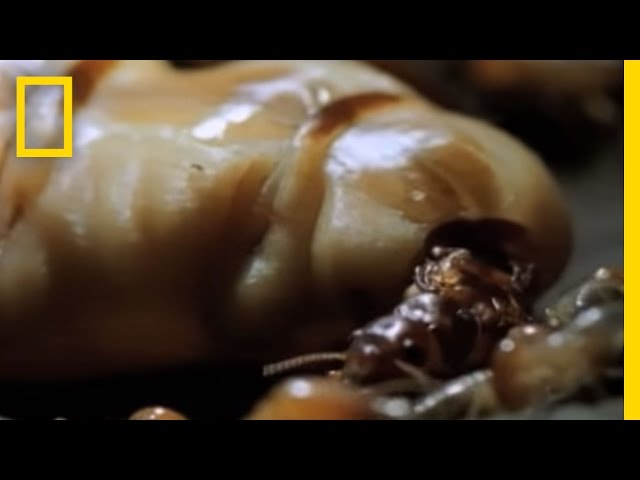
The location chosen for oviposition by these wood-destroying insects is crucial for colony survival. This strategic placement ensures the eggs are protected and provided with the necessary environment for proper development. Selecting a safe and stable location within the nest is paramount, shielding the vulnerable eggs from predators and environmental fluctuations. Understanding this behavior is key to effective termite control and prevention.
For instance, in subterranean termite colonies, eggs are typically laid within the central nest, often located underground or within moist wood. Drywood termites, on the other hand, create chambers within the wood they infest, providing a protected environment for their eggs. These locations offer consistent temperature and humidity, essential for successful incubation.
Where Do Termites Lay Eggs
The queen termite, the primary reproductive individual in the colony, is responsible for laying the eggs. Initially, she lays a small number of eggs, carefully tending to them until the first batch of worker termites hatches. These workers then take over the tasks of foraging, building, and caring for the young, allowing the queen to focus solely on egg production.
As the colony grows, the queen’s egg-laying capacity increases dramatically. She can lay thousands of eggs per day, ensuring a constant influx of new individuals to maintain and expand the colony. The eggs are small, oval-shaped, and translucent, often clustered together in protected chambers within the nest.
The incubation period for termite eggs varies depending on the species and environmental conditions, typically ranging from a few weeks to several months. During this time, the eggs are meticulously cared for by the worker termites, who maintain the appropriate temperature and humidity levels within the nest.
Once hatched, the immature termites, known as nymphs, go through a series of molts, gradually developing into workers, soldiers, or reproductive individuals. This developmental process is influenced by various factors, including diet, hormonal signals, and the needs of the colony.
The location of the egg-laying site within the termite nest is strategically chosen to provide optimal conditions for egg development. These sites are typically located deep within the nest, protected from predators and environmental fluctuations.
The nest itself can be located in various environments, depending on the termite species. Subterranean termites build their nests underground or within moist wood, while drywood termites create nests within dry wood.
The complexity of the nest structure varies among termite species, ranging from simple galleries within wood to elaborate underground networks. These nests provide a safe and stable environment for the colony, protecting them from predators and the elements.
Understanding the egg-laying habits and nest structure of different termite species is crucial for effective termite control and prevention. By targeting these key areas, pest management professionals can effectively eliminate termite infestations and prevent future damage.
Important Points about Termite Egg Laying
-
The Queen’s Role:
The queen termite is the primary egg-layer in the colony, responsible for producing thousands of eggs daily. Her reproductive capacity is crucial for the growth and survival of the colony. The queen relies on worker termites to care for the eggs and young, allowing her to focus solely on reproduction. Her lifespan can extend for many years, ensuring the continuous expansion of the colony.
-
Egg Appearance:
Termite eggs are small, oval-shaped, and translucent white. They are often clustered together in protected chambers within the nest. The size and appearance of the eggs can vary slightly depending on the termite species. Freshly laid eggs are typically more translucent, becoming opaque as they mature.
-
Incubation Period:
The incubation period for termite eggs varies depending on the species and environmental conditions, typically ranging from a few weeks to several months. Temperature and humidity play a crucial role in determining the duration of the incubation period. Consistent environmental conditions within the nest are essential for successful egg development.
-
Nymph Development:
After hatching, the immature termites, or nymphs, undergo a series of molts as they develop into workers, soldiers, or reproductive individuals. This developmental process is influenced by factors such as diet and hormonal signals. The colony’s needs determine the proportion of each caste within the population.
-
Nest Location:
The location of the termite nest and egg-laying sites varies depending on the species. Subterranean termites build nests underground or in moist wood, while drywood termites nest within dry wood. The nest provides protection from predators and environmental fluctuations. The location is chosen strategically to provide access to food sources.
-
Nest Protection:
Termite nests are carefully constructed to provide a stable and protected environment for the colony. The nest structure can range from simple galleries within wood to complex underground networks. Worker termites continuously maintain and repair the nest, ensuring its integrity and the safety of the colony. This protection is crucial for the survival of the vulnerable eggs and developing nymphs.
Tips for Identifying Termite Egg-Laying Sites
-
Look for Mud Tubes:
Subterranean termites build mud tubes to travel between their nest and food sources. These tubes provide a protected pathway and maintain moisture. Finding mud tubes is a strong indicator of a subterranean termite infestation and can help locate the nest.
-
Inspect Wood Damage:
Termites consume wood from the inside out, leaving a thin veneer of undamaged wood on the surface. Tapping on suspect wood can reveal hollowed-out areas. This damage can indicate the presence of a termite colony and potential egg-laying sites within the wood.
-
Check for Frass:
Drywood termites produce dry fecal pellets called frass, which they push out of their galleries. Finding frass is a telltale sign of drywood termite activity and can help pinpoint infested areas where eggs may be present. The color and shape of frass can vary depending on the wood species being consumed.
-
Professional Inspection:
The most reliable way to identify termite egg-laying sites is to contact a qualified pest control professional. They have the expertise and tools to accurately detect and assess termite infestations. A professional inspection can provide valuable insights into the extent of the infestation and recommend appropriate treatment options.
Termites play a significant role in the ecosystem by breaking down dead wood and other cellulose materials. This process helps recycle nutrients back into the environment, contributing to soil health and nutrient cycling. However, their wood-consuming habits can cause significant structural damage to buildings and other wooden structures.
Different termite species exhibit varying nesting behaviors and preferences. Subterranean termites, as their name suggests, build nests underground and require contact with soil for moisture. Drywood termites, on the other hand, can infest dry wood and do not require ground contact.
Understanding the specific habits of different termite species is crucial for developing effective control strategies. Targeted treatments can address the specific needs and vulnerabilities of each species, maximizing the effectiveness of pest management efforts.
Prevention is key in managing termite infestations. Regular inspections, proper wood treatment, and eliminating moisture sources can significantly reduce the risk of termite activity. Maintaining a termite-free environment requires ongoing vigilance and proactive measures.
Early detection of termite activity is essential for minimizing damage. Regular inspections by qualified pest control professionals can identify infestations in their early stages, allowing for prompt and effective treatment. Ignoring signs of termite activity can lead to extensive and costly repairs.
The economic impact of termite damage is substantial, costing billions of dollars annually in repairs and preventative treatments. Investing in professional termite control is a cost-effective way to protect properties from costly damage and maintain structural integrity.
Termite colonies can contain thousands to millions of individuals, depending on the species and maturity of the colony. The coordinated efforts of these individuals allow them to effectively locate and consume vast quantities of wood, posing a significant threat to wooden structures.
Ongoing research continues to expand our understanding of termite behavior, biology, and control methods. This research contributes to the development of more effective and environmentally friendly pest management strategies, minimizing the impact of termite activity on human structures and the environment.
Frequently Asked Questions
John: How can I tell if I have termites in my home?
Prof. Design: Look for signs like mud tubes, discarded wings, hollow-sounding wood, and frass. A professional inspection is recommended for accurate identification and assessment.
Sarah: What is the best way to get rid of termites?
Dr. Creative: Professional termite control is the most effective approach. Treatment methods vary depending on the termite species and the extent of the infestation, often involving liquid termiticides or bait systems.
Ali: How can I prevent termites from infesting my home?
Prof. Design: Eliminate moisture sources, ensure proper wood treatment, maintain good ventilation, and schedule regular termite inspections. Creating a barrier between soil and wood can also be effective.
Maria: How long does it take for termite eggs to hatch?
Dr. Creative: The incubation period varies depending on the species and environmental conditions, typically ranging from a few weeks to several months.
Youtube Video: