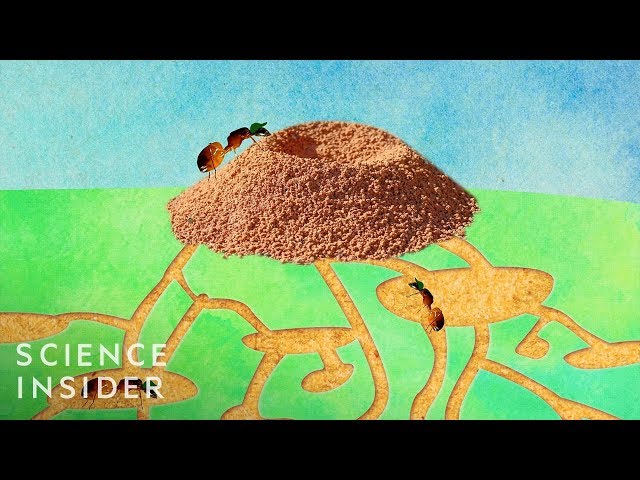
The intricate structure of subterranean insect dwellings demonstrates a remarkable feat of natural engineering. These structures, often appearing as simple mounds above ground, are complex networks of tunnels and chambers below. This organization facilitates various functions crucial for the colony’s survival, including brood rearing, food storage, and protection from predators and the elements. The specific layout and complexity of these structures can vary depending on the species and size of the colony.
For instance, leafcutter ants create vast, interconnected networks that can span several meters underground, while carpenter ants often utilize existing wood structures, modifying them to suit their needs. These diverse approaches highlight the adaptability and resourcefulness of these social insects. Observing the cross-section of a mature colony reveals the intricate planning and execution involved in creating these sophisticated living spaces.
how are ant hills organized
Ant hills, also known as ant nests or formicaries, are meticulously organized structures. The visible mound above ground is often only a small portion of the colony. Beneath the surface lies a network of interconnected chambers and tunnels, each serving a specific purpose. This intricate design allows for efficient movement of ants and resources throughout the nest.
One key area within the ant hill is the brood chamber. This area houses the eggs, larvae, and pupae, and is typically located deep within the nest for protection. Worker ants constantly tend to the brood, ensuring their proper development and safety. Temperature and humidity levels are carefully regulated within this chamber for optimal growth.
Food storage chambers are another essential component of the ant hill. These chambers hold the colony’s food reserves, including seeds, insects, and other collected materials. The location and size of these chambers depend on the species of ant and their dietary habits. Some species even cultivate fungus gardens within their nests, providing a consistent food source.
The queen’s chamber is typically located in the deepest and most protected part of the nest. This chamber provides a safe and secure environment for the queen to lay her eggs. Worker ants attend to the queen, providing her with food and removing waste. The queens chamber is vital for the colony’s continued growth and survival.
Connecting these chambers are numerous tunnels, acting as pathways for ants to move throughout the nest. These tunnels also provide ventilation, regulating temperature and humidity levels. The intricate network of tunnels allows for efficient movement of ants and resources, even in large colonies.
The entrance to the ant hill is carefully guarded and often designed to prevent the entry of predators and unwanted guests. The size and shape of the entrance can vary depending on the species and the environment. Some ant species even have specialized soldier ants that defend the entrance against intruders.
Waste disposal areas are also incorporated into the ant hill design. These designated areas help maintain hygiene within the nest and prevent the spread of disease. Worker ants regularly remove waste materials from the nest and deposit them in these designated areas.
The overall organization of the ant hill reflects a remarkable level of social cooperation and engineering. Each ant plays a specific role in maintaining the nest and ensuring the survival of the colony. This complex system allows ants to thrive in diverse environments and establish large, successful colonies.
Important Points about Ant Hill Organization
-
Division of Labor:
Ant colonies operate on a sophisticated system of division of labor. Each ant has a specific role, whether it be foraging for food, tending to the brood, or defending the nest. This specialization allows for increased efficiency and productivity within the colony. The queen’s sole purpose is reproduction, while worker ants perform all other tasks necessary for colony survival.
-
Communication:
Ants communicate primarily through chemical signals called pheromones. These pheromones can convey information about food sources, danger, and colony identity. This complex communication system allows for coordinated action and efficient resource allocation within the colony. Pheromone trails are used to guide foraging ants back to the nest.
-
Adaptability:
Ants are highly adaptable creatures, capable of thriving in a wide range of environments. Their nest designs can vary depending on the local climate, available resources, and potential threats. This adaptability is a key factor in their widespread success. Some ant species build nests in trees, while others construct underground tunnels.
-
Environmental Control:
Ants carefully regulate the temperature and humidity within their nests. This is crucial for the development of the brood and the overall health of the colony. They achieve this through ventilation systems and careful placement of chambers within the nest. This climate control is essential for survival in extreme temperatures.
-
Defense Mechanisms:
Ant colonies have various defense mechanisms to protect against predators and other threats. These can include physical defenses, such as thorns or spines on the nest, as well as chemical defenses, such as formic acid. Some ant species even have soldier ants specifically tasked with defending the colony. These defenses help ensure the colony’s survival.
-
Waste Management:
Ants maintain a clean and hygienic nest environment through designated waste disposal areas. This helps prevent the spread of disease and maintains the overall health of the colony. Worker ants regularly remove waste and debris from the nest. This sanitation is crucial for colony health.
-
Interconnectedness:
The chambers and tunnels within an ant hill are intricately interconnected, allowing for efficient movement of ants and resources throughout the nest. This interconnectedness facilitates communication and cooperation within the colony. The network of tunnels allows ants to quickly access different areas of the nest.
-
Constant Maintenance:
Ants constantly maintain and repair their nests, ensuring their structural integrity and functionality. This ongoing maintenance is essential for the long-term survival of the colony. Worker ants continuously excavate new tunnels and chambers as the colony grows. This constant upkeep is vital for nest integrity.
-
Resource Allocation:
Ant colonies efficiently allocate resources, ensuring that food and other essential materials are distributed throughout the nest. This efficient resource management is crucial for the growth and prosperity of the colony. Foraging ants bring food back to the nest, where it is distributed to other members of the colony.
-
Social Structure:
The complex social structure of ant colonies is a key factor in their success. The division of labor, communication systems, and cooperative behavior allow for efficient colony function and survival. The queen, workers, and soldiers each play a vital role in the colony’s success. This intricate social structure is a hallmark of ant societies.
Tips for Observing Ant Hills
-
Choose the Right Time:
The best time to observe ant activity is during warmer months when ants are most active. Early morning or late afternoon are often ideal times. Avoid observing during extreme heat or rain. Observing at the right time will maximize the chance of seeing ant activity.
-
Be Patient and Observant:
Ant activity can be subtle, so patience and careful observation are key. Take time to watch the ants moving in and out of the nest, and observe their interactions. Look for patterns in their behavior. Patience will reward you with insights into ant behavior.
-
Avoid Disturbing the Nest:
It’s important to avoid disturbing the ant hill as much as possible. Do not dig into the nest or attempt to capture ants. Observe from a safe distance without interfering with their activities. Respecting the ants’ environment is crucial for ethical observation.
-
Use a Magnifying Glass:
A magnifying glass can be a helpful tool for observing ants up close. It allows you to see the details of their bodies and their interactions with the environment. A magnifying glass can enhance your observation experience. This tool can reveal fascinating details about ant anatomy and behavior.
The organization of ant hills is a testament to the power of collective intelligence and cooperation. Thousands of individual ants, each following relatively simple rules, create a complex and highly functional society. This emergent behavior is a fascinating area of study for biologists and entomologists. The efficiency and resilience of ant colonies offer valuable insights into social organization and problem-solving.
The architecture of ant hills varies considerably depending on the species and environment. Some species build mounds of soil and debris, while others excavate intricate tunnels and chambers underground. The materials used and the overall design reflect the specific needs and adaptations of the ant species. This diversity in nest construction highlights the adaptability of ants.
The social structure within an ant colony is highly stratified, with different castes performing specialized roles. The queen is responsible for reproduction, while worker ants carry out tasks such as foraging, brood care, and nest maintenance. Soldier ants, in some species, defend the colony against intruders. This division of labor ensures the smooth functioning of the colony.
Ants communicate primarily through chemical signals, using pheromones to convey information about food sources, danger, and colony identity. This sophisticated communication system allows for coordinated action and efficient resource allocation within the colony. The use of pheromones is a hallmark of ant communication.
Ant colonies play important roles in their ecosystems, contributing to nutrient cycling, seed dispersal, and soil aeration. They also serve as a food source for various animals, including birds, reptiles, and other insects. Understanding the role of ants in their ecosystems is crucial for conservation efforts.
The study of ant hill organization can provide valuable insights into complex systems and emergent behavior. Researchers are exploring how the simple rules followed by individual ants can lead to the complex and adaptive behavior observed in colonies. These studies can have implications for fields such as robotics and artificial intelligence.
The resilience of ant colonies is remarkable. They can withstand environmental challenges such as floods, droughts, and predation. This resilience is attributed to their decentralized organization, adaptable behavior, and efficient resource management. These characteristics make ant colonies a model for robust and sustainable systems.
The intricate organization of ant hills continues to fascinate and inspire researchers. By studying these remarkable creatures, we can gain a deeper understanding of social organization, communication, and the power of collective intelligence. Further research into ant behavior promises to reveal even more fascinating insights.
Frequently Asked Questions
John: How long does it take for an ant colony to build a large ant hill?
Prof. Design: The time required to build a large ant hill can vary significantly depending on the species, environmental conditions, and available resources. Some colonies can construct substantial mounds within a few months, while others may take several years. The colony’s size and growth rate also play a role in the construction timeline.
Sarah: What happens to the ant hill during the winter?
Dr. Creative: In colder climates, ants typically become less active during the winter months. They may retreat deeper into the nest and enter a state of dormancy or reduced activity to conserve energy. Some species also store food reserves to survive the winter. The specific strategies employed vary depending on the ant species and the severity of the winter conditions.
Ali: Are all ant hills the same shape and size?
Prof. Design: No, ant hills can vary greatly in shape and size depending on the species of ant, the environment, and the age of the colony. Some ant hills are simple mounds of soil, while others are complex structures with multiple chambers and tunnels. The size can range from a few centimeters to several meters in diameter.
John: How do ants find their way back to the nest after foraging?
Dr. Creative: Ants primarily use chemical trails, called pheromone trails, to navigate back to their nest. As they forage, they leave a trail of pheromones that other ants can follow. They also use visual cues and their sense of direction to find their way back.
Youtube Video: