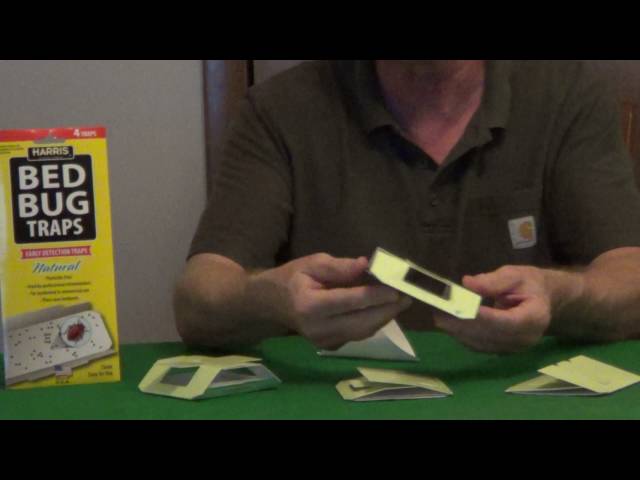
Passive insect monitors utilizing adhesive surfaces can be valuable tools in detecting infestations. These tools don’t actively eliminate pests but rather trap them, allowing for confirmation of their presence and assessment of population density. Placing these monitors strategically around areas suspected of harboring insects provides valuable data for targeted treatment strategies. This information is crucial for determining the extent of the problem and implementing effective control measures.
For example, placing these adhesive traps under furniture, near baseboards, or in crevices can reveal the presence of insects. Another effective strategy involves positioning them near potential entry points, such as windows and doors, to intercept insects before they spread throughout a space. This proactive approach allows for early detection and intervention, minimizing the risk of a full-blown infestation. By regularly checking these traps, one can monitor insect activity and adjust pest control strategies accordingly.
how to use glue traps for bed bugs
Bed bugs are elusive nocturnal pests, making their detection challenging. Glue traps offer a non-invasive method for confirming their presence. These traps should be placed strategically in areas where bed bugs are likely to travel, such as along baseboards, under furniture, and near bed frames. Regular inspection of these traps is crucial for identifying the early stages of an infestation.
When positioning glue traps, consider the bed bug’s preferred hiding spots and travel patterns. They tend to congregate in dark, undisturbed areas close to their food source (humans). Placing traps near the seams and crevices of mattresses and box springs can be particularly effective. Additionally, placing traps along the edges of the room, where bed bugs may travel from their hiding spots to the bed, can increase the chances of capture.
While glue traps are helpful for detection, they are not a standalone solution for bed bug eradication. They capture only a small portion of the population and do not address the source of the infestation. Therefore, they are most effective when used in conjunction with other pest control methods, such as professional treatments or thorough cleaning regimens.
Regularly checking and replacing glue traps is essential for accurate monitoring. Traps that are full of insects or dust become less effective. Frequency of replacement depends on the level of infestation and environmental factors. A general guideline is to replace traps every few weeks or as needed.
Consider using multiple traps in each suspected area to increase the chances of capturing bed bugs. Placing traps in various locations, such as at different heights and in different orientations, can also improve their effectiveness. This approach accounts for the bed bug’s tendency to move along walls and other surfaces.
Keep glue traps away from pets and children, as the adhesive can be difficult to remove from skin and fur. If a pet or child comes into contact with a glue trap, use vegetable oil or a similar substance to gently dissolve the adhesive. Always supervise young children in areas where glue traps are placed.
While commercially available glue traps are designed for insect capture, it is possible to create homemade versions using cardboard and non-toxic adhesive. However, ensure the adhesive is strong enough to hold bed bugs. Homemade traps may require more frequent monitoring and replacement compared to commercial options.
Documenting the number and location of bed bugs caught on glue traps can provide valuable information for pest control professionals. This data helps them assess the severity of the infestation and tailor treatment strategies accordingly. Keeping a record of trap placements and findings can also help monitor the effectiveness of treatment over time.
Important Points to Consider
- Placement is Key: Effective trap placement is crucial for maximizing capture rates. Consider bed bug behavior and place traps in areas where they are most likely to travel, such as along baseboards, under furniture, and near bed frames. Placing traps near potential entry points, such as windows and doors, can also help intercept bed bugs before they spread. Furthermore, focusing on areas where bed bugs are likely to hide, such as cracks and crevices, can improve detection.
- Regular Monitoring: Regularly checking glue traps is essential for early detection of bed bugs. Frequent inspections allow for timely intervention and prevent infestations from escalating. The frequency of checks should depend on the level of suspected infestation, but generally, checking traps every few days is recommended. This consistent monitoring provides valuable data on bed bug activity.
- Not a Standalone Solution: Glue traps are primarily a detection tool and should not be relied upon as the sole method of bed bug eradication. They are most effective when used in conjunction with other pest control strategies, such as professional treatments or thorough cleaning regimes. While traps can capture some bed bugs, they do not address the root cause of the infestation.
- Safety Precautions: Keep glue traps away from children and pets, as the adhesive can be difficult to remove. If contact occurs, use vegetable oil or a similar substance to gently dissolve the adhesive. Always supervise young children in areas where traps are placed. Consider placing traps in discreet locations to minimize accidental contact.
- Replacement Schedule: Regularly replace glue traps to maintain their effectiveness. Traps that are full of insects or dust lose their stickiness and become less effective at capturing bed bugs. The replacement frequency depends on the level of infestation and environmental factors. Generally, replacing traps every few weeks or as needed is recommended.
- Multiple Traps: Using multiple traps in a single area increases the likelihood of capturing bed bugs. This is particularly important in areas with suspected high activity. Placing multiple traps provides a more comprehensive monitoring system and increases the chances of early detection. Consider using different types of traps in conjunction with glue traps for a more holistic approach.
- Documentation: Documenting the number and location of bed bugs caught on glue traps can be helpful for pest control professionals. This information can help them assess the severity of the infestation and tailor treatment strategies accordingly. Keeping records of trap placements and findings can also help monitor the effectiveness of treatment over time. Detailed documentation provides valuable insights into bed bug behavior and population density.
- Supplemental Tools: While glue traps are a valuable tool for bed bug detection, consider using them in conjunction with other monitoring methods, such as interceptors and mattress encasements. These tools can provide a more comprehensive picture of the infestation and help guide treatment strategies. A multi-faceted approach is often the most effective way to manage bed bug infestations.
Tips for Effective Use
- Place traps strategically: Position traps in areas where bed bugs are likely to travel, such as along baseboards, under furniture, and near bed frames. This maximizes the chances of interception.
Focusing on high-traffic areas increases the likelihood of capturing bed bugs. Consider placing traps near potential entry points, such as windows and doors, to intercept bed bugs before they spread. Additionally, placing traps near sleeping areas can provide valuable insights into bed bug activity.
Check traps regularly: Frequent monitoring allows for early detection and prevents infestations from escalating. Regular checks provide valuable data on bed bug activity and help inform treatment strategies.
The frequency of checks depends on the level of suspected infestation, but generally, checking traps every few days is recommended. Consistent monitoring allows for timely intervention and prevents infestations from becoming established. Documenting findings can also be helpful for pest control professionals.
Use multiple traps: Placing multiple traps in a single area increases the likelihood of capturing bed bugs and provides a more comprehensive monitoring system. Using a greater number of traps increases the chances of intercepting bed bugs and provides more data points for assessment.
This is particularly important in areas with suspected high activity. Multiple traps offer a more comprehensive picture of the infestation and can help guide treatment strategies. Consider using a combination of trap types for a more holistic approach.
Keep traps away from children and pets: The adhesive on glue traps can be difficult to remove from skin and fur, so precautions should be taken to prevent contact. Protecting children and pets from the adhesive is essential for their safety and well-being.
If contact occurs, use vegetable oil or a similar substance to gently dissolve the adhesive. Always supervise young children in areas where traps are placed. Consider placing traps in discreet locations to minimize accidental contact.
Understanding bed bug behavior is crucial for effective trap placement. Bed bugs are nocturnal and tend to hide in dark, undisturbed areas during the day. They are attracted to warmth and carbon dioxide, which is why they are often found near sleeping areas. Knowing their habits can help determine the most strategic locations for placing glue traps.
Early detection is key to preventing a full-blown bed bug infestation. Regularly checking glue traps allows for timely intervention and can prevent the problem from escalating. The sooner an infestation is identified, the easier and less costly it is to treat. Prompt action can significantly reduce the time and effort required for eradication.
Glue traps are a cost-effective tool for bed bug detection. They are readily available at most hardware and pest control stores. Compared to other methods of detection, such as canine inspections, glue traps offer a more affordable option for homeowners. Their affordability makes them a practical choice for ongoing monitoring.
While glue traps can capture some bed bugs, they are not a standalone solution. They are most effective when used in conjunction with other pest control methods. Professional treatments, thorough cleaning, and preventative measures are often necessary to completely eliminate an infestation. A comprehensive approach is essential for long-term success.
Proper placement of glue traps is essential for maximizing their effectiveness. Traps should be placed in areas where bed bugs are likely to travel, such as along baseboards, under furniture, and near bed frames. Consider placing traps near potential entry points to intercept bed bugs before they spread. Strategic placement is crucial for capturing bed bugs and monitoring their activity.
Regularly replacing glue traps is essential for maintaining their stickiness and effectiveness. Traps that are full of insects or dust lose their ability to capture bed bugs. Replacing traps every few weeks or as needed ensures optimal performance. This regular maintenance is crucial for accurate monitoring and detection.
Documenting the number and location of bed bugs caught on glue traps can be helpful for pest control professionals. This information can help them assess the severity of the infestation and tailor treatment strategies accordingly. Keeping records of trap placements and findings can also help monitor the effectiveness of treatment over time. Detailed documentation provides valuable insights into the infestation and its progress.
Glue traps are a non-toxic and relatively safe method for bed bug detection. However, precautions should be taken to keep them away from children and pets. The adhesive can be difficult to remove from skin and fur. If contact occurs, vegetable oil or a similar substance can be used to gently dissolve the adhesive. Careful placement and supervision can minimize the risk of accidental contact.
Frequently Asked Questions
John: How often should I check my glue traps for bed bugs?
Prof. Design: It is recommended to check glue traps every few days, especially during the initial stages of suspected infestation. More frequent checking allows for quicker identification and intervention. The frequency can be reduced once the situation is under control, but regular monitoring is still recommended.
Sarah: Are glue traps effective in eliminating a bed bug infestation?
Dr. Creative: Glue traps are primarily a detection tool, not a standalone eradication method. They capture only a small portion of the population. For complete elimination, professional pest control treatments are usually necessary, along with thorough cleaning and preventative measures.
Ali: Where should I place glue traps for optimal effectiveness?
Prof. Design: Place traps strategically in areas where bed bugs are likely to travel, such as along baseboards, under furniture, and near bed frames. Also consider placing them near potential entry points like windows and doors to intercept bed bugs before they spread throughout your home. Focusing on areas close to sleeping areas is also advisable.
John: What should I do if my pet gets stuck to a glue trap?
Dr. Creative: Use vegetable oil or a similar substance to gently dissolve the adhesive. Avoid pulling or ripping the trap off, as this can harm your pet’s skin or fur. If you are unsure how to proceed, consult a veterinarian.
Youtube Video: