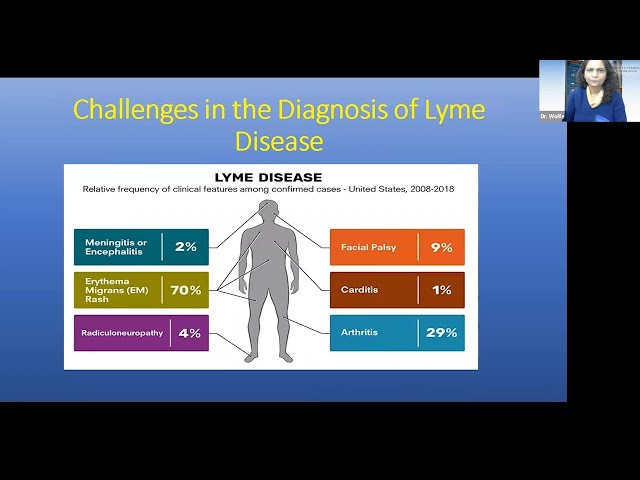
Early manifestations of this tick-borne illness often mimic a viral infection. These initial indicators can include fever, headache, fatigue, and a characteristic skin rash called erythema migrans. Recognizing these early clues is crucial for prompt diagnosis and treatment to prevent potentially serious long-term complications. Left untreated, the infection can spread to joints, the heart, and the nervous system.
Signs and Symptoms of Lyme Disease
Lyme disease presents in various stages, each with its own set of potential indicators. The early localized stage typically occurs within days to weeks of a tick bite. Erythema migrans, a circular rash often resembling a bull’s-eye, is a hallmark of this stage, though not all infected individuals develop it. Flu-like symptoms such as fever, chills, headache, muscle aches, and fatigue are also common during this initial phase.
As the infection progresses to the early disseminated stage, weeks to months after the bite, it can spread to other parts of the body. Multiple erythema migrans rashes may appear, indicating the bacteria’s dissemination. Neurological symptoms, such as facial palsy (Bell’s palsy), meningitis, and nerve pain, can also emerge during this stage. Cardiac complications, including irregular heartbeats, can also occur, though less frequently.
Late disseminated Lyme disease, occurring months to years after the initial infection, can lead to severe and chronic health issues. Arthritis, particularly affecting the knees, is a common manifestation. Neurological problems, including cognitive impairment, memory loss, and peripheral neuropathy, can persist. Chronic pain and fatigue can significantly impact quality of life.
Diagnosis of Lyme disease relies on a combination of factors, including clinical presentation, exposure to ticks, and laboratory testing. The characteristic erythema migrans rash, along with associated symptoms, can often lead to a clinical diagnosis, especially in endemic areas. Blood tests are used to detect antibodies to the bacteria, but they may not be positive in the early stages of the infection.
Treatment for Lyme disease typically involves antibiotics, with the specific regimen depending on the stage of the disease and the individual’s overall health. Early treatment with appropriate antibiotics is usually highly effective in preventing long-term complications. More advanced cases may require longer courses of antibiotics or intravenous administration.
Prevention of Lyme disease focuses on avoiding tick bites. This includes wearing protective clothing, using insect repellents, and performing thorough tick checks after spending time in tick-infested areas. Prompt removal of attached ticks is also crucial to minimize the risk of infection. Using fine-tipped tweezers to grasp the tick close to the skin and pulling upward with steady, even pressure is the recommended method.
Misdiagnosis of Lyme disease can occur due to the varied and often non-specific nature of its symptoms. Conditions such as fibromyalgia, chronic fatigue syndrome, and other autoimmune disorders can mimic Lyme disease, making accurate diagnosis challenging. Consulting with an experienced healthcare professional is essential for proper evaluation and management.
Living in or traveling to areas where Lyme disease is prevalent increases the risk of exposure. Understanding the signs and symptoms, taking preventive measures, and seeking prompt medical attention if a tick bite occurs are crucial for minimizing the impact of this potentially debilitating illness. Public awareness and education play a vital role in combating Lyme disease and its long-term consequences.
Important Points about Lyme Disease
- Early Diagnosis is Key: Early diagnosis and treatment of Lyme disease are crucial for preventing long-term complications. The sooner antibiotics are administered, the greater the likelihood of a full recovery. Delayed treatment can lead to more severe and persistent symptoms.
- Erythema Migrans is a Hallmark Sign: The characteristic erythema migrans rash, often described as a bull’s-eye, is a strong indicator of Lyme disease. However, not everyone infected develops this rash, so the absence of the rash does not rule out the possibility of infection. Other symptoms should be considered.
- Symptoms Can Vary Widely: Lyme disease can manifest with a wide range of symptoms, making diagnosis challenging. From flu-like symptoms in the early stages to neurological and arthritic complications in later stages, the disease can mimic other conditions.
- Tick Bites are the Cause: Lyme disease is transmitted through the bite of infected blacklegged ticks. These ticks are often found in wooded and grassy areas, so taking precautions in these environments is essential for prevention.
- Prevention is the Best Defense: Preventing tick bites is the most effective way to avoid Lyme disease. This includes wearing protective clothing, using insect repellents, and performing regular tick checks after being outdoors.
- Prompt Tick Removal is Important: If a tick is found attached to the skin, prompt removal is crucial. Use fine-tipped tweezers to grasp the tick close to the skin and pull upward with steady, even pressure. Avoid crushing or twisting the tick.
- Laboratory Testing Can Confirm Diagnosis: Blood tests can detect antibodies to the bacteria that cause Lyme disease. However, these tests may not be positive in the early stages of infection. A clinical diagnosis based on symptoms and exposure history is often made in conjunction with laboratory testing.
- Antibiotics are the Standard Treatment: Antibiotics are the primary treatment for Lyme disease. The specific type and duration of antibiotic therapy depend on the stage of the disease and the individual’s overall health.
- Long-Term Complications Can Occur: If left untreated, Lyme disease can lead to serious long-term complications, including arthritis, neurological problems, and chronic pain. Early diagnosis and treatment are essential for preventing these complications.
- Consult a Healthcare Professional: If you suspect you may have Lyme disease, it is essential to consult a healthcare professional for proper diagnosis and treatment. Self-treating or delaying medical attention can lead to more severe and persistent symptoms.
Tips for Preventing Lyme Disease
- Wear Protective Clothing: When venturing into tick-infested areas, wear long-sleeved shirts, long pants, and closed-toe shoes. Tucking pants into socks can further reduce the risk of tick bites. Light-colored clothing makes it easier to spot ticks.
- Use Insect Repellent: Apply insect repellent containing DEET or permethrin to exposed skin and clothing. Follow product instructions carefully and reapply as directed. Consider using natural repellents as alternatives.
- Perform Tick Checks: After spending time outdoors, thoroughly check your body, clothing, and pets for ticks. Pay close attention to areas such as the scalp, armpits, groin, and behind the knees. Showering soon after being outdoors can also help wash away unattached ticks.
- Landscape Management: Keep grass mowed short and remove leaf litter and brush around your home to create a less hospitable environment for ticks. Consider creating a barrier of wood chips or gravel between your lawn and wooded areas.
- Be Aware of Tick Habitats: Ticks thrive in wooded and grassy areas, especially those with high humidity. Be extra cautious when venturing into these environments and take appropriate preventive measures.
Lyme disease is a complex illness with a wide spectrum of potential manifestations. Understanding the various stages of the disease and their associated symptoms is crucial for effective management. Early recognition and prompt treatment can significantly improve outcomes and prevent long-term complications. Education and awareness are key to combating this increasingly prevalent tick-borne illness.
The impact of Lyme disease on individuals and communities can be substantial. The chronic pain, fatigue, and neurological problems associated with late-stage Lyme disease can significantly impair quality of life. The economic burden of diagnosis, treatment, and lost productivity is also considerable. Continued research and public health initiatives are essential for addressing the challenges posed by Lyme disease.
The diagnosis of Lyme disease can be challenging due to the non-specific nature of its symptoms and the limitations of current diagnostic tests. Improving diagnostic tools and developing more effective treatments are ongoing areas of research. Collaboration between researchers, healthcare providers, and patients is crucial for advancing our understanding and management of this complex illness.
Public awareness campaigns play a vital role in educating communities about Lyme disease prevention and early detection. By promoting tick bite prevention strategies and encouraging prompt medical attention for suspected cases, these campaigns can help reduce the incidence and severity of Lyme disease. Community involvement and engagement are essential for successful public health interventions.
The ecological factors that contribute to the spread of Lyme disease are complex and multifaceted. Changes in climate, habitat fragmentation, and wildlife populations can influence tick abundance and the prevalence of Lyme disease. Understanding these ecological dynamics is crucial for developing effective prevention and control strategies.
Research into new treatments for Lyme disease is ongoing. Scientists are exploring novel antibiotic regimens, immunotherapies, and other therapeutic approaches to address the persistent symptoms experienced by some patients. The development of more effective treatments is a priority for improving the lives of those affected by Lyme disease.
The social and emotional impact of Lyme disease can be profound. The chronic pain, fatigue, and cognitive difficulties associated with the illness can lead to social isolation, depression, and anxiety. Support groups and mental health services can provide valuable assistance to individuals and families coping with the challenges of Lyme disease.
The future of Lyme disease research holds promise for improved diagnostics, treatments, and prevention strategies. Advances in genomics, proteomics, and other technologies are providing new insights into the biology of the disease. Continued investment in research and innovation is essential for conquering this challenging illness.
Frequently Asked Questions
John: How soon after a tick bite should I see a doctor?
Prof. Design: If you develop a rash or experience any symptoms such as fever, headache, or fatigue within a few weeks of a tick bite, it’s important to consult a healthcare professional promptly. Early diagnosis and treatment are crucial for preventing potential complications.
Sarah: Can Lyme disease be cured?
Dr. Creative: When treated early with appropriate antibiotics, Lyme disease is typically curable. However, delayed or inadequate treatment can lead to persistent symptoms that require ongoing management.
Ali: Are all ticks carriers of Lyme disease?
Prof. Design: Not all ticks carry the bacteria that cause Lyme disease. Blacklegged ticks (also known as deer ticks) are the primary vectors of the disease. It’s important to identify the type of tick and seek medical advice if you are bitten by a blacklegged tick.
John: What should I do if I find a tick attached to me?
Dr. Creative: Use fine-tipped tweezers to grasp the tick as close to the skin’s surface as possible. Pull upward with steady, even pressure. Avoid twisting or crushing the tick. After removing the tick, clean the bite area with antiseptic and wash your hands thoroughly. Monitor for any symptoms and consult a healthcare professional if you develop a rash or other symptoms.
Sarah: Can Lyme disease be transmitted from person to person?
Prof. Design: Lyme disease is not directly transmitted from person to person. It is spread through the bite of an infected tick.
Youtube Video: