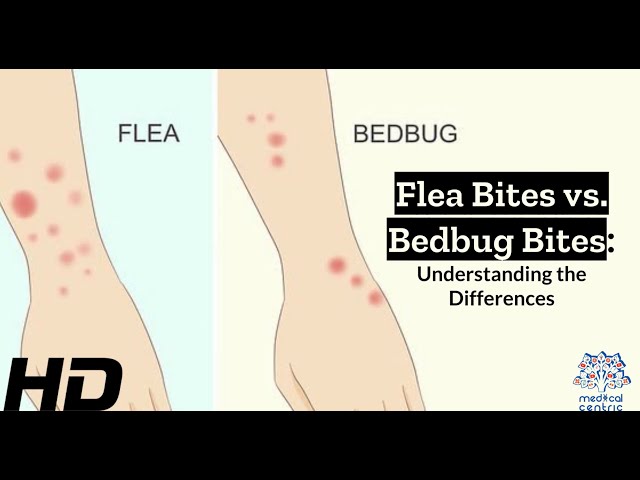
Small, itchy welts appearing in clusters or lines on skin exposed during sleep are often the first sign of a particular pest infestation. These marks can be mistaken for other insect bites or skin irritations, making proper identification crucial. Reactions vary from person to person, with some individuals showing no visible signs while others experience significant inflammation. Determining the source of these bites is essential for effective treatment and prevention.
what do bed bug bites look like
Bed bug bites often appear as small, red, raised bumps on the skin. They typically occur in clusters or lines of three or more, often referred to as “breakfast, lunch, and dinner.” These bites can be intensely itchy, causing discomfort and disruption to sleep. The reaction to bed bug bites varies depending on individual sensitivity, with some people showing minimal reaction while others experience significant swelling and irritation.
Unlike some other insect bites, bed bug bites do not typically have a red dot in the center. They may resemble mosquito bites or hives, making accurate identification challenging. Its important to look for the characteristic grouping of bites, often in a straight line or zigzag pattern. This pattern occurs as the bed bug probes the skin multiple times to find a suitable blood vessel.
The bites can appear anywhere on the body, but they are most commonly found on exposed areas such as the face, neck, arms, and hands. They are also frequently found on areas of skin that are in contact with bedding, such as the back and legs. The itching sensation is caused by the bed bug’s saliva, which contains anticoagulants and anesthetic agents.
While the bites themselves are not typically painful, excessive scratching can lead to secondary infections. Keeping the affected area clean and avoiding scratching is crucial to prevent infection. Over-the-counter antihistamine creams and hydrocortisone creams can help alleviate itching and reduce inflammation.
Bed bug bites can take several days to appear, sometimes up to two weeks after the initial bite. This delayed reaction can make it difficult to pinpoint the source of the bites. If you suspect bed bugs, it is important to thoroughly inspect your bedding, mattress, and surrounding furniture for signs of infestation.
Look for small, dark fecal spots on bedding, mattresses, and furniture, as well as shed skins and live bed bugs. Early detection is key to preventing a full-blown infestation. Professional pest control is often the most effective way to eliminate bed bugs completely.
If you are experiencing persistent itching and suspect bed bug bites, it’s important to consult a healthcare professional. They can help differentiate bed bug bites from other skin conditions and recommend appropriate treatment. Accurate diagnosis is essential for effective management and peace of mind.
Preventing bed bug infestations involves regular inspection of bedding and furniture, especially after travel. Using protective mattress encasements can also help prevent bed bugs from infesting your mattress. Prompt action and vigilance are essential in minimizing the risk of bed bug bites.
Important Points to Remember
- Appearance: Bed bug bites typically appear as small, red, raised bumps, often in clusters or lines. These bites can be itchy and may resemble mosquito bites or hives. The absence of a central red dot can help distinguish them from other insect bites. Reactions vary, and some individuals may not show any visible signs of bites.
- Location: Bites commonly occur on exposed skin areas like the face, neck, arms, and hands. They are also often found on areas in contact with bedding, such as the back and legs. Bed bugs tend to feed on exposed skin, explaining the concentration of bites in these areas. Recognizing these common locations can aid in identification.
- Itching: The itching associated with bed bug bites is caused by the bug’s saliva. This saliva contains anticoagulants and anesthetic agents, which can cause an allergic reaction in some people. The intensity of itching varies depending on individual sensitivity.
- Delayed Reaction: Bites can take several days, sometimes up to two weeks, to appear. This delayed reaction can make it difficult to connect the bites to a specific incident. If you suspect bed bugs, its important to consider any recent travel or exposure to potentially infested environments.
- Secondary Infection: Excessive scratching can lead to secondary skin infections. Keeping the bites clean and avoiding scratching is essential to prevent infection. Over-the-counter anti-itch creams and hydrocortisone creams can provide relief.
- Identification: Confirming bed bug bites requires careful observation and sometimes professional help. Look for the characteristic clustering and linear patterns of the bites. Consulting a healthcare professional can help rule out other skin conditions.
- Inspection: If you suspect bed bugs, thoroughly inspect your bedding, mattress, and surrounding furniture. Look for dark fecal spots, shed skins, and live bed bugs. Early detection is crucial for effective treatment and preventing a larger infestation.
- Professional Help: Professional pest control is often the most effective way to eliminate bed bugs. They have the expertise and tools to identify and eradicate infestations completely. Contacting a qualified pest control service is recommended for confirmed infestations.
Tips for Dealing with Bed Bug Bites
- Avoid Scratching: Resist the urge to scratch the bites, as this can break the skin and increase the risk of infection. Keeping fingernails trimmed short can also help minimize damage from scratching.
- Clean the Bites: Gently wash the affected area with soap and water to remove any irritants and reduce the risk of infection. Pat the area dry with a clean towel. Avoid harsh scrubbing, which can further irritate the skin.
- Apply Anti-Itch Cream: Over-the-counter antihistamine creams and hydrocortisone creams can help relieve itching and reduce inflammation. Follow the product instructions carefully. If itching is severe, consult a healthcare professional.
- Cold Compress: Applying a cold compress to the bites can help soothe the skin and reduce swelling. Wrap ice in a cloth and apply it to the affected area for 10-15 minutes at a time. Avoid applying ice directly to the skin.
Understanding the appearance of bed bug bites is the first step in addressing an infestation. Recognizing the characteristic clusters or lines of itchy, red bumps can help differentiate them from other insect bites or skin irritations. Prompt identification allows for quicker action in treating the bites and addressing the underlying infestation.
Beyond the immediate discomfort of itchy bites, bed bugs can have a significant psychological impact. The constant worry about being bitten can disrupt sleep and lead to anxiety and stress. Addressing the infestation promptly can help restore peace of mind and improve overall well-being.
Bed bugs are not known to transmit diseases, but their bites can cause significant skin irritation and discomfort. In some cases, the bites can become infected due to scratching. Proper hygiene and avoiding scratching are crucial in preventing secondary infections.
Bed bugs are skilled hitchhikers and can be easily transported from one location to another. They can hide in luggage, clothing, and furniture, making it essential to be vigilant when traveling or bringing used furniture into your home. Regular inspection of these items can help prevent infestations.
While bed bugs are not attracted to dirt and grime, cluttered environments can provide more hiding places, making it harder to detect and eliminate them. Maintaining a clean and organized living space can help reduce the risk of infestation and make it easier to spot signs of bed bugs.
Effective bed bug treatment often requires a multi-pronged approach, including professional pest control services, thorough cleaning, and preventative measures. It’s important to address the infestation comprehensively to ensure complete eradication.
Early detection of bed bugs is crucial in preventing a minor infestation from becoming a major problem. Regularly inspecting your bedding, mattress, and furniture can help identify signs of bed bugs early on, allowing for quicker intervention and minimizing the spread.
Protecting your mattress with a high-quality encasement can help prevent bed bugs from infesting it. These encasements create a barrier that prevents bed bugs from entering or escaping the mattress, making it easier to control and eliminate infestations.
Frequently Asked Questions
John: My bites dont itch much, could they still be from bed bugs?
Prof. Design: Yes, reactions to bed bug bites vary greatly. Some individuals experience intense itching, while others have minimal or no reaction. The absence of itching doesn’t rule out bed bugs.
Sarah: I only found one bite, is it possible its a bed bug?
Dr. Creative: While bed bug bites often appear in clusters, a single bite is possible, especially initially. Look for additional signs of infestation, such as fecal spots or shed skins, to confirm.
Ali: How can I tell the difference between bed bug bites and mosquito bites?
Prof. Design: Mosquito bites tend to be more random and less clustered than bed bug bites. Bed bug bites often appear in lines or zigzags. Additionally, mosquito bites usually have a more defined central red spot.
John: Do I need to throw away my mattress if I have bed bugs?
Dr. Creative: Not necessarily. A professional pest control service can effectively treat your mattress and eliminate the infestation. Using a mattress encasement can also help protect your mattress and prevent re-infestation.
Youtube Video: