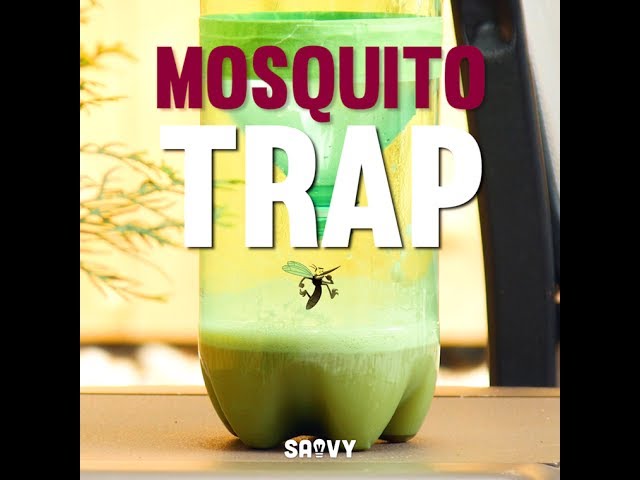
Methods of deterring biting insects without synthetic chemicals involve leveraging substances found in nature. These substances often work by masking human scents or creating an environment unpleasant for the insects. Employing these methods can offer a safer alternative to conventional repellents, particularly for those sensitive to chemicals. Examples include using essential oils like citronella and lemon eucalyptus, or planting mosquito-repelling plants like marigolds and lavender.
x natural mosquito repellent techniques
Essential oils, derived from plants, are a popular natural mosquito repellent. Many oils, such as citronella, lemongrass, and peppermint, contain compounds that mosquitoes find offensive. These oils can be diluted with carrier oils like coconut or almond oil and applied directly to the skin, or used in diffusers to create a protective barrier around an area.
Burning certain types of incense can also deter mosquitoes. Specifically, incense containing citronella, cedarwood, or rosemary can create a fragrant smoke that keeps these insects at bay. It’s important to use natural incense, as synthetic versions may contain harmful chemicals. Place incense burners strategically outdoors or in well-ventilated areas.
Planting mosquito-repelling plants in gardens and around outdoor spaces is another effective technique. Marigolds, lavender, catnip, and basil are just a few examples of plants that naturally repel mosquitoes. These plants emit scents that mosquitoes dislike, creating a natural barrier against these pests. They also add beauty and fragrance to the environment.
Creating a mosquito-repelling spray with natural ingredients is a simple and cost-effective method. A mixture of witch hazel, apple cider vinegar, and essential oils can be combined in a spray bottle and applied to skin and clothing. This natural spray offers a safe and effective way to keep mosquitoes away without harsh chemicals.
Eliminating standing water is crucial in mosquito control. Mosquitoes breed in stagnant water, so removing any sources of standing water, such as empty containers, clogged gutters, and bird baths, can significantly reduce their population. Regularly emptying and cleaning these areas can help prevent mosquito infestations.
Installing mosquito netting around beds and outdoor seating areas provides a physical barrier against these insects. This method is particularly effective for protecting sleeping areas and preventing mosquito bites during the night. Fine mesh netting is recommended for optimal protection.
Using fans can also help deter mosquitoes. Mosquitoes are weak fliers and can be easily blown away by a strong breeze. Placing fans strategically in outdoor areas can disrupt their flight patterns and keep them from landing on people. This is a simple and effective method, especially in enclosed spaces.
Consuming certain foods, such as garlic and onions, can also make you less attractive to mosquitoes. These foods contain compounds that are released through the skin and can repel mosquitoes. While not as effective as other methods, incorporating these foods into your diet can offer an additional layer of protection.
Important Points to Consider
-
Safety First:
While natural repellents are generally considered safe, its important to use them responsibly. Always dilute essential oils with a carrier oil before applying them to the skin. Perform a patch test on a small area of skin to check for any allergic reactions. Keep essential oils away from children and pets.
-
Effectiveness Varies:
The effectiveness of natural mosquito repellents can vary depending on the specific ingredients used, the concentration of the repellent, and the individual. Some methods may work better for some people than others. Experimenting with different techniques may be necessary to find what works best.
-
Reapplication is Key:
Natural repellents often need to be reapplied more frequently than synthetic repellents. Reapply every few hours, or as needed, especially after swimming or sweating. This ensures continuous protection against mosquito bites.
-
Integrated Approach:
For optimal mosquito control, it’s best to use a combination of methods. Combining techniques like using essential oils, planting mosquito-repelling plants, and eliminating standing water can provide a comprehensive approach to mosquito management.
-
Environmental Considerations:
When using natural repellents outdoors, be mindful of the impact on the environment. Avoid using excessive amounts of essential oils, as they can be harmful to beneficial insects and aquatic life. Choose natural and biodegradable ingredients whenever possible.
-
Professional Advice:
If you have any concerns about mosquito bites or the use of natural repellents, consult with a healthcare professional or a pest control specialist. They can provide personalized advice and recommend the most effective strategies for your specific situation.
Tips for Effective Mosquito Repellency
-
Combine Methods:
Don’t rely on just one technique. Use a combination of methods for the best results. For example, use a natural repellent spray in conjunction with mosquito netting and fans for a multi-layered approach. This ensures comprehensive protection.
-
Time of Day:
Be extra vigilant during peak mosquito hours, typically dawn and dusk. Apply repellents liberally during these times and take additional precautions, such as wearing long sleeves and pants. This minimizes exposure to mosquitoes when they are most active.
-
Clothing Choices:
Wear light-colored clothing, as mosquitoes are attracted to dark colors. Opt for loose-fitting clothing that covers exposed skin. This provides a physical barrier against mosquito bites.
-
Maintain Your Yard:
Keep your yard clean and free of debris. Trim bushes and shrubs to eliminate mosquito resting places. Regular yard maintenance can significantly reduce mosquito populations.
Understanding mosquito behavior is crucial for effective repellent strategies. Mosquitoes are attracted to carbon dioxide, body heat, and certain scents. By minimizing these attractants, you can reduce the likelihood of mosquito bites.
Different species of mosquitoes have varying preferences. Some species are more active during the day, while others prefer the night. Knowing the prevalent species in your area can help you tailor your repellent strategies accordingly.
Weather conditions also play a role in mosquito activity. Mosquitoes are most active in warm, humid weather. Taking extra precautions during these times is essential for preventing bites.
Natural repellents offer a safer alternative to chemical-laden products. Many chemical repellents contain DEET, a synthetic compound that can have adverse health effects. Natural options provide a gentler approach to mosquito control.
The efficacy of natural repellents can be enhanced by proper application. Applying repellents evenly and thoroughly ensures maximum protection. Pay attention to areas commonly targeted by mosquitoes, such as ankles, wrists, and neck.
Community efforts can significantly impact mosquito control. Encouraging neighbors to eliminate standing water and implement mosquito control measures can create a mosquito-free environment for everyone.
Educating yourself about mosquito-borne illnesses is important for protecting your health. Diseases like West Nile virus and Zika virus can be transmitted through mosquito bites. Taking preventative measures against mosquito bites is crucial for preventing these illnesses.
Staying updated on the latest research and recommendations regarding mosquito control is essential for effective protection. New techniques and products are constantly being developed, and staying informed can help you make informed decisions about mosquito repellent strategies.
Frequently Asked Questions
John: How long do natural mosquito repellents typically last?
Prof. Design: The duration of effectiveness varies depending on the specific repellent and environmental conditions. Generally, natural repellents need to be reapplied every few hours, especially after sweating or swimming.
Sarah: Are natural repellents safe for children and pregnant women?
Dr. Creative: While generally safe, it’s always best to consult with a healthcare professional before using any repellent on children or during pregnancy. Certain essential oils should be avoided during pregnancy and for young children.
Ali: Can I make my own natural mosquito repellent at home?
Prof. Design: Absolutely! Many simple and effective recipes are available online and in books. Common ingredients include witch hazel, apple cider vinegar, and various essential oils.
Maria: Whats the best way to protect myself from mosquitoes while camping?
Dr. Creative: Combine multiple strategies for optimal protection while camping. Use mosquito netting around your tent and sleeping area, apply a natural repellent regularly, and wear long sleeves and pants during peak mosquito hours. Consider using a mosquito coil or incense as well.
David: Are there any plants that attract mosquitoes that I should avoid planting?
Prof. Design: While not necessarily attracting mosquitoes, plants that require a lot of watering and may retain standing water, like certain water lilies or taro, can create breeding grounds. Ensure good drainage and regular cleaning of any water features in your garden.
Youtube Video: