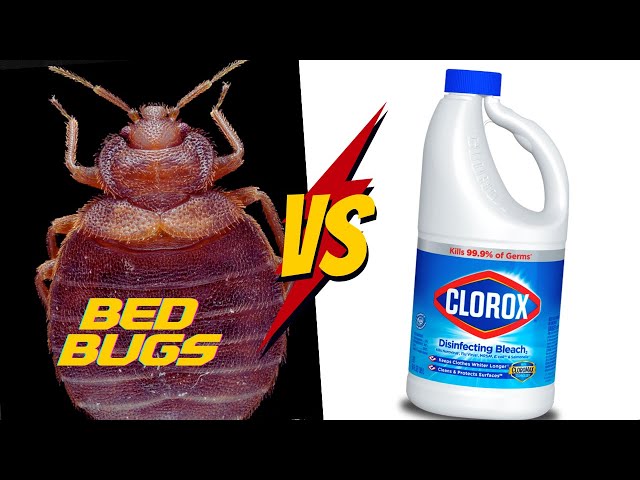
Eliminating household pests often requires careful consideration of various methods. Chemical treatments are frequently explored, raising questions about their effectiveness against specific insects. Understanding the impact of common household chemicals on these pests is essential for targeted treatment. Choosing the correct approach can significantly impact the success of pest control efforts.
For instance, some may wonder about the efficacy of using common cleaning agents against resilient infestations. Another example is the use of pantry staples as potential deterrents or eliminators. Exploring these options requires thorough research and understanding of the pest’s biology and behavior.
does bleach kill bed bugs
Bleach, a potent oxidizing agent, is often considered a universal disinfectant. However, its effectiveness against bed bugs is limited. While bleach can kill bed bugs on direct contact, it’s impractical for treating infestations. Bed bugs hide deep within crevices, mattresses, and furniture, making direct contact with bleach difficult.
Furthermore, bleach’s strong odor and corrosive nature make it unsuitable for widespread use in living spaces. It can damage fabrics, furniture, and even respiratory systems if not handled carefully. The risks associated with using bleach often outweigh its limited benefits in bed bug control.
Bleach also cannot penetrate bed bug eggs, which are often laid in protected areas. This means even if bleach kills adult bed bugs, the eggs can hatch and perpetuate the infestation. A more comprehensive approach targeting all life stages of the bed bug is necessary for effective control.
Instead of relying on bleach, professional pest control methods are recommended for bed bug infestations. These methods often involve a combination of insecticides, heat treatments, and vacuuming to eliminate all life stages of bed bugs. Professional expertise ensures the safe and effective eradication of the infestation.
The misconception that bleach is effective against bed bugs might stem from its general disinfecting properties. While bleach is effective against bacteria and viruses, insects like bed bugs have different vulnerabilities. Understanding these differences is crucial for choosing appropriate treatment methods.
Attempting to use bleach for bed bug control can also be dangerous and counterproductive. The strong fumes can irritate the eyes, nose, and throat, posing health risks to occupants. Additionally, improper use can damage furniture and fabrics.
Focusing on preventative measures, such as regular vacuuming, inspecting luggage after travel, and using mattress encasements, can significantly reduce the risk of bed bug infestations. Early detection is also crucial for preventing the infestation from spreading.
Ultimately, while bleach might kill a few bed bugs on contact, it is not a reliable or safe solution for treating infestations. Consulting with a pest control professional is the most effective way to eliminate bed bugs and prevent future occurrences.
Important Points
- Direct Contact Required: Bleach can only kill bed bugs on direct contact. This is difficult to achieve as bed bugs hide in cracks and crevices.
Since bleach cannot penetrate these hiding places, it is unlikely to reach all the bed bugs, making it an ineffective treatment method. Furthermore, spraying bleach into these areas can cause damage and pose health risks. Thorough inspection and targeted treatment by professionals are essential for successful eradication.
Ineffective Against Eggs: Bleach does not kill bed bug eggs. This means even if adult bed bugs are killed, the eggs will hatch and the infestation will continue.
Bed bug eggs are often laid in protected areas, further reducing the effectiveness of bleach. The eggs are resistant to many common household chemicals, requiring specialized treatments for complete eradication. Professional pest control services utilize methods that target all life stages of bed bugs, including the eggs.
Damaging and Dangerous: Bleach can damage fabrics, furniture, and respiratory systems. Its corrosive nature makes it unsuitable for widespread use in living spaces.
The strong fumes of bleach can irritate the eyes, nose, and throat, posing health risks to humans and pets. Furthermore, bleach can discolor and weaken fabrics, leading to further damage. It’s crucial to handle bleach with extreme care and avoid using it on sensitive materials.
Professional Treatment Recommended: Professional pest control is the most effective way to eliminate bed bugs. They use specialized methods and products that are safe and effective.
Pest control professionals have the knowledge and experience to identify the extent of the infestation and implement appropriate treatment strategies. They also have access to specialized equipment and insecticides that are not available to the general public. Professional treatment ensures a thorough and effective approach to bed bug eradication.
Prevention is Key: Regular vacuuming, inspecting luggage after travel, and using mattress encasements can help prevent infestations.
Early detection is also crucial for preventing the spread of bed bugs. Regularly checking mattresses, bedding, and furniture for signs of bed bugs can help identify infestations early on. Prompt action can prevent the infestation from becoming widespread and more difficult to treat.
Not a Disinfectant for Bed Bugs: While bleach is a disinfectant, it’s not effective against bed bugs due to their biology and behavior.
Bed bugs are insects, not bacteria or viruses, and therefore require different treatment methods. Bleach’s disinfecting properties are ineffective against the hard exoskeleton and resistant eggs of bed bugs. Targeted insecticides and other specialized treatments are necessary for effective bed bug control.
Misconceptions about Bleach: The belief that bleach kills bed bugs is a common misconception. Its general cleaning properties do not translate to effective pest control.
Many people associate bleach with cleanliness and assume it can eliminate any pest. However, this is not the case with bed bugs. Relying on bleach can delay proper treatment and allow the infestation to worsen. It’s important to rely on evidence-based methods for bed bug control.
Focus on Integrated Pest Management: A comprehensive approach involving multiple strategies is most effective. This includes physical removal, heat treatment, and targeted insecticides.
Integrated Pest Management (IPM) considers the entire ecosystem and utilizes a combination of methods to control pests. This approach minimizes the use of chemicals and focuses on long-term prevention. IPM is the most sustainable and effective way to manage bed bug infestations.
Tips and Details
- Vacuum Regularly: Vacuuming can remove bed bugs and their eggs from mattresses, bedding, and furniture.
Pay close attention to seams, crevices, and other hiding places. Dispose of the vacuum bag immediately after use to prevent re-infestation. Regular vacuuming is a crucial preventative measure and can also help reduce the severity of existing infestations.
Use Mattress Encasements: Encasements create a barrier that prevents bed bugs from infesting mattresses and box springs.
Choose encasements that are specifically designed for bed bugs and ensure they are properly fitted. Mattress encasements can significantly reduce the risk of infestations and make it easier to monitor for bed bugs.
Inspect Luggage After Travel: Carefully inspect luggage and clothing after traveling to prevent bringing bed bugs home.
Wash all clothes in hot water and dry on high heat after returning from a trip. Inspecting luggage and taking preventative measures can help avoid introducing bed bugs into your home.
Contact a Pest Control Professional: If you suspect a bed bug infestation, contact a qualified pest control professional immediately.
Early intervention is key to preventing the infestation from spreading. Professional pest control services have the expertise and tools to effectively eliminate bed bugs and prevent future occurrences.
Understanding the limitations of bleach in bed bug control is crucial for effective pest management. While bleach might seem like a powerful solution, its ineffectiveness against bed bugs makes it a poor choice for treatment. Focusing on proven methods, such as professional pest control services, is essential for successful eradication.
Bed bugs are resilient pests that require targeted treatments. Bleach’s inability to penetrate their hiding places and kill their eggs renders it useless against these insects. Investing in professional pest control services ensures the complete elimination of bed bugs from all life stages.
Preventative measures are essential in minimizing the risk of bed bug infestations. Regular cleaning, vacuuming, and inspecting luggage can significantly reduce the chances of encountering these pests. Early detection is also crucial for preventing infestations from becoming established.
Misconceptions about household remedies often lead to ineffective pest control practices. Relying on inaccurate information can delay proper treatment and allow infestations to worsen. Seeking professional advice is crucial for accurate information and effective treatment strategies.
The dangers of using bleach improperly further highlight the importance of professional pest control. The corrosive nature of bleach can pose health risks and damage belongings. Professional pest control services utilize safe and effective methods to eliminate bed bugs without risking the health of occupants or damaging property.
Integrated Pest Management (IPM) offers a comprehensive and sustainable approach to bed bug control. By combining various strategies, IPM targets all life stages of bed bugs and minimizes the use of harmful chemicals. This approach promotes long-term prevention and reduces the risk of re-infestation.
Educating oneself about bed bug biology and behavior is crucial for effective pest management. Understanding their life cycle, hiding habits, and vulnerabilities empowers individuals to make informed decisions about treatment and prevention. Knowledge is key to preventing and managing bed bug infestations effectively.
Choosing the right treatment method for bed bugs is crucial for successful eradication. While bleach might seem like a readily available solution, its ineffectiveness against these pests makes it a poor choice. Professional pest control services offer targeted and effective treatments that eliminate bed bugs and prevent future infestations.
FAQ
John: Can I use diluted bleach for bed bugs?
Prof. Design: Even diluted bleach is ineffective against bed bugs and can still damage fabrics and pose health risks. It’s best to avoid using bleach altogether for bed bug control.
Sarah: What should I do if I find bed bugs in my hotel room?
Dr. Creative: Immediately notify hotel management and request a different room, preferably on a different floor. Inspect your luggage carefully before bringing it home and wash all clothes in hot water upon returning.
Ali: Are there any natural remedies for bed bugs?
Prof. Design: While some natural remedies may repel bed bugs, they are not effective for eliminating infestations. Professional pest control is the most reliable solution for eradicating bed bugs.
Maria: How can I prevent bed bugs from spreading to other rooms in my house?
Dr. Creative: Isolate the infested area as much as possible. Avoid moving furniture or belongings from the infested room to other areas of the house. Contact a pest control professional immediately to prevent the infestation from spreading.
David: How often should I have my home inspected for bed bugs?
Prof. Design: Regular inspections are recommended, especially if you travel frequently or live in a multi-unit dwelling. Consider having a professional inspection annually or more frequently if you suspect an infestation.
Youtube Video: