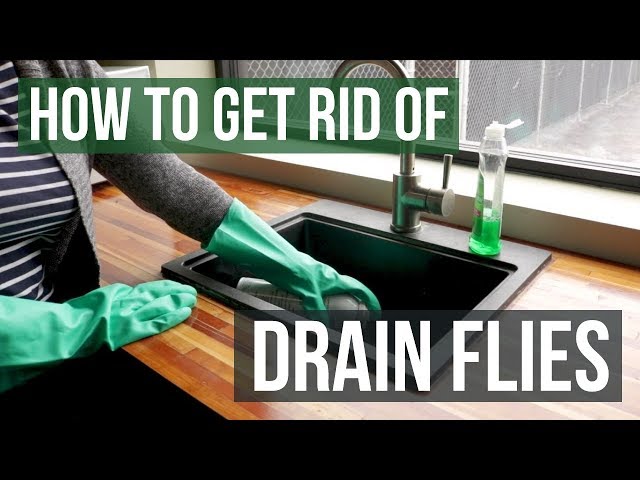
Eliminating these small, moth-like insects from plumbing is a common household challenge. These pests are attracted to stagnant water and organic matter found in drains. Their presence often indicates a buildup of grime and debris, necessitating a thorough cleaning. Effective removal requires targeting both adult flies and their larvae to prevent reinfestation.
For instance, a homeowner might notice these tiny insects fluttering around their kitchen or bathroom sink. Another example is a restaurant experiencing an increase in these flies near bar drains due to accumulated fruit pulp and sugary liquids. These scenarios illustrate the importance of prompt action to address the underlying issue and maintain sanitary conditions.
how to get rid of drain flies
The first step in eliminating drain flies is identifying the breeding source. This typically involves inspecting all drains for signs of infestation, such as larvae or adult flies. Pay close attention to seldom-used drains, as these can harbor large populations. Once the source is identified, the cleaning process can begin.
Boiling water is a simple yet effective method for killing drain fly larvae. Pouring a kettle of boiling water down the affected drain can significantly reduce their numbers. This process should be repeated daily for several days to ensure all larvae are eliminated. Remember to exercise caution when handling boiling water to prevent burns.
Baking soda and vinegar can also be used to create a fizzing action that helps dislodge debris and kill larvae. Pour one cup of baking soda down the drain, followed by one cup of vinegar. Let the mixture fizz for about an hour before flushing with hot water. This method is environmentally friendly and readily available in most households.
For more stubborn infestations, a drain cleaner may be necessary. Choose a drain cleaner specifically designed for removing organic matter. Follow the instructions on the product label carefully. Ensure adequate ventilation while using chemical drain cleaners to avoid inhaling fumes.
Beyond the drain itself, cleaning the surrounding area is crucial. Wipe down surfaces with a disinfectant cleaner to remove any organic matter that might attract flies. Empty trash cans regularly and ensure they are tightly sealed. Maintaining cleanliness around the drain helps prevent future infestations.
Sticky traps can be used to monitor the effectiveness of your efforts and capture any remaining adult flies. Place the traps near the affected drain and replace them as needed. These traps provide a visual indication of the fly population and help track progress.
Prevention is key to long-term drain fly control. Regularly flush drains with hot water, especially those that are seldom used. Avoid pouring grease or food scraps down the drain. Use drain covers to prevent debris from entering the pipes.
If the infestation persists despite these efforts, it may be necessary to consult a professional plumber. They can inspect the plumbing system for underlying issues that may be contributing to the problem. A plumber can also provide more advanced cleaning solutions if needed.
Important Points to Consider
- Identify the Breeding Source: Locating the primary source of the infestation is paramount. This involves a thorough inspection of all drains, paying particular attention to areas with standing water or accumulated organic material. Knowing the source allows for targeted treatment and prevents wasted effort.
- Regular Cleaning: Consistent drain maintenance is essential for preventing future infestations. Regularly flushing drains with hot water helps remove debris and discourages fly breeding. This simple practice can significantly reduce the likelihood of recurring problems.
- Proper Waste Disposal: Avoid disposing of food scraps, grease, or other organic matter down the drain. These materials provide a food source for drain flies and contribute to clogs. Proper disposal in the trash can helps maintain a clean and fly-free environment.
- Ventilation: When using chemical drain cleaners, ensure adequate ventilation in the area. These products can emit strong fumes that can be harmful if inhaled. Open windows and doors to allow fresh air to circulate during and after application.
- Professional Assistance: If the infestation persists despite DIY efforts, seeking professional help is advisable. A plumber can identify underlying plumbing issues and provide more specialized treatment options. Their expertise can save time and ensure effective eradication.
- Environmental Considerations: Opt for environmentally friendly cleaning solutions whenever possible. Baking soda and vinegar offer a natural alternative to harsh chemicals. These methods are safe for pipes and minimize environmental impact.
- Safety Precautions: Exercise caution when using boiling water or chemical drain cleaners. Boiling water can cause burns, while chemical cleaners can irritate skin and eyes. Wear appropriate protective gear and follow product instructions carefully.
- Monitoring and Follow-up: After implementing control measures, monitor the situation for signs of reinfestation. Sticky traps can be used to capture remaining adult flies and assess the effectiveness of the treatment. Continued vigilance is crucial for long-term success.
Tips for Preventing Drain Flies
- Use Drain Covers: Installing drain covers helps prevent debris from entering the pipes and provides a physical barrier against flies. This simple measure can significantly reduce the accumulation of organic matter that attracts these pests.
- Clean Regularly: Wipe down surfaces around drains with a disinfectant cleaner to remove any organic residue. This helps eliminate food sources for drain flies and maintains a sanitary environment. Regular cleaning is essential for preventing infestations.
- Flush Drains with Hot Water: Regularly flushing drains with hot water helps remove any accumulated debris and prevents the buildup of organic matter. This simple practice can significantly reduce the likelihood of drain fly infestations.
- Avoid Pouring Grease Down the Drain: Grease solidifies in pipes and creates a breeding ground for drain flies. Dispose of grease in a separate container rather than pouring it down the drain. This helps prevent clogs and reduces the attraction for flies.
Understanding the life cycle of drain flies is crucial for effective control. These insects breed in moist, organic matter, and their larvae can survive for extended periods in drain pipes. By disrupting their breeding cycle, one can prevent future infestations.
The presence of drain flies can be an indicator of plumbing issues. A slow-draining sink or a persistent foul odor can signal a buildup of organic material that attracts these pests. Addressing these underlying problems is essential for long-term fly control.
Different types of drain cleaners are available, each with varying levels of effectiveness. Enzymatic drain cleaners utilize natural enzymes to break down organic matter, while chemical cleaners offer a more potent solution. Choosing the right cleaner depends on the severity of the infestation.
Maintaining a clean and dry environment around drains is crucial for preventing fly breeding. Wiping up spills promptly and ensuring adequate ventilation can help discourage these pests from establishing a breeding ground.
Regular inspections of seldom-used drains are essential for early detection of infestations. These drains can harbor large populations of drain flies without being noticed. Periodic flushing with hot water can help prevent breeding in these areas.
Professional pest control services can provide comprehensive solutions for persistent drain fly problems. They can identify the source of the infestation, implement targeted treatments, and offer preventative measures to avoid future occurrences.
Understanding the difference between drain flies and other small flying insects, such as fruit flies, is important for selecting the right control methods. Fruit flies are attracted to ripe or decaying fruit, while drain flies breed in drains and other moist areas. Targeting the specific pest ensures effective treatment.
The cost of drain fly control can vary depending on the severity of the infestation and the chosen methods. Simple DIY solutions, such as boiling water and baking soda, are relatively inexpensive. Professional pest control services may involve higher costs but can offer more comprehensive and effective solutions.
Frequently Asked Questions
John: How long does it take to get rid of drain flies completely?
Prof. Design: Complete eradication can take anywhere from a few days to a couple of weeks, depending on the severity of the infestation and the diligence in applying control methods. Consistent cleaning and preventative measures are key to long-term success.
Sarah: Are drain flies harmful to humans?
Dr. Creative: While drain flies are generally not considered harmful, they can be a nuisance and indicate unsanitary conditions. They are not known to transmit diseases, but their presence can be unsettling.
Ali: Can I use bleach to kill drain flies?
Prof. Design: While bleach can kill drain fly larvae, it can also damage pipes and create harmful fumes. It’s generally recommended to try less harsh methods first, such as boiling water or baking soda and vinegar, before resorting to bleach.
Maria: What if the flies keep coming back after treatment?
Dr. Creative: Recurring infestations may indicate an underlying plumbing issue or a persistent breeding source that hasn’t been addressed. It’s advisable to consult a plumber to inspect the plumbing system and identify any potential problems.
David: Are there any natural repellents for drain flies?
Prof. Design: Essential oils, such as lavender or peppermint, can act as natural deterrents. Placing a few drops of these oils near the drain can help repel flies. However, this is not a substitute for cleaning and eliminating the breeding source.
Youtube Video: