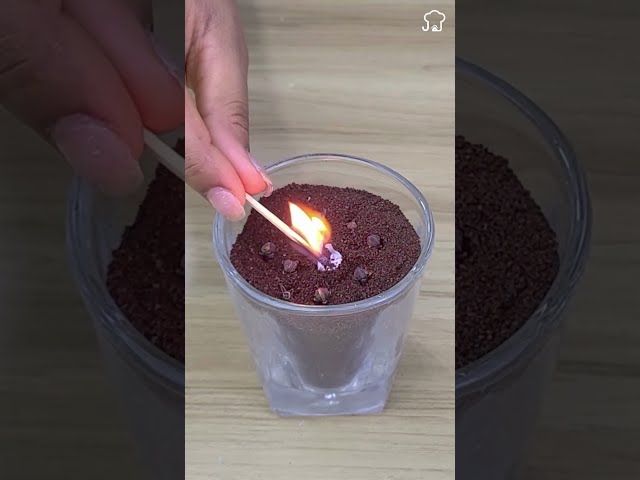
The act of deterring small, biting insects that transmit diseases is essential for outdoor comfort and health. Effective deterrence involves creating an environment these insects find undesirable, using various methods from topical applications to environmental modifications. This can range from individual actions like applying insect repellent to community-wide efforts like eliminating stagnant water sources. Understanding the various methods available is crucial for successful protection against these pests.
how to repel mosquitoes
Mosquitoes are attracted to carbon dioxide, body heat, and certain scents. Therefore, reducing these attractants is a crucial first step in mosquito control. Wearing light-colored clothing, minimizing exposed skin, and avoiding heavily scented perfumes or lotions can make individuals less appealing targets. These simple adjustments can significantly impact the number of mosquitoes attracted to a person.
Another effective strategy is using insect repellents. Repellents containing DEET, picaridin, or oil of lemon eucalyptus are widely available and proven effective. It’s crucial to follow the product’s instructions carefully, especially regarding application frequency and concentration. Remember to reapply repellent after swimming or sweating.
Eliminating standing water around the home is another vital aspect of mosquito control. Mosquitoes breed in stagnant water, so removing sources like birdbaths, flowerpot saucers, and clogged gutters can significantly reduce their population. Regularly changing the water in pet dishes and cleaning swimming pools also helps prevent mosquito breeding grounds.
Using mosquito nets and screens is a physical barrier against these insects. Installing screens on windows and doors prevents mosquitoes from entering homes. Using mosquito nets over beds provides additional protection, especially in areas with high mosquito populations. These barriers offer a safe and effective way to keep mosquitoes out.
Certain plants are known to have mosquito-repelling properties. Citronella, lavender, and marigolds are just a few examples of plants that can naturally deter mosquitoes. Planting these around the home or using essential oils derived from them can create a more mosquito-free environment. This natural approach is an appealing alternative for those seeking eco-friendly solutions.
Fans can also disrupt mosquito flight patterns, making it difficult for them to land and bite. Positioning fans strategically in outdoor areas can create a breeze that deters mosquitoes. This simple method is particularly effective for small gatherings or individual use in patios or decks.
Community-wide efforts can also play a significant role in mosquito control. Public health initiatives aimed at eliminating mosquito breeding sites and educating the public on preventative measures can have a widespread impact. Supporting these initiatives and participating in community cleanup efforts can contribute to a healthier and more comfortable environment for everyone.
Finally, consider professional pest control services for persistent mosquito problems. Professionals can assess the situation and implement targeted treatments to effectively reduce mosquito populations. This can be particularly helpful for large properties or areas with significant mosquito infestations.
Important Points to Consider
- Personal Protection: Using insect repellent is the first line of defense against mosquito bites. Choose a repellent with an effective active ingredient like DEET, picaridin, or oil of lemon eucalyptus. Apply it to exposed skin and clothing as directed, and reapply as needed.
- Environmental Control: Eliminate standing water around your property to reduce mosquito breeding sites. This includes regularly emptying and cleaning containers that hold water, such as flowerpots, birdbaths, and gutters.
- Physical Barriers: Install screens on windows and doors to keep mosquitoes out of your home. Use mosquito nets over beds for added protection, especially in areas with high mosquito activity.
- Natural Repellents: Consider planting mosquito-repelling plants like citronella, lavender, and marigolds around your home. You can also use essential oils derived from these plants in diffusers or sprays.
- Clothing Choices: Wear light-colored clothing, as mosquitoes are attracted to dark colors. Cover as much skin as possible with long sleeves, pants, and socks to minimize exposed skin.
- Timing: Mosquitoes are most active during dawn and dusk. Limit outdoor activities during these times or take extra precautions to protect yourself.
- Fans and Airflow: Use fans to create a breeze that disrupts mosquito flight patterns and makes it harder for them to land and bite. This is particularly effective in outdoor seating areas.
- Community Involvement: Support community-wide mosquito control efforts and participate in cleanup initiatives to eliminate breeding sites in your neighborhood.
- Professional Help: For persistent mosquito problems, consider contacting a professional pest control service. They can assess the situation and implement targeted treatments for effective control.
Tips for Effective Mosquito Repulsion
- Check for tears in screens: Regularly inspect window and door screens for any tears or holes and repair them promptly to prevent mosquitoes from entering.
- Keep vegetation trimmed: Trim bushes and shrubs around your home to reduce mosquito resting places.
- Avoid strong scents: Refrain from using heavily scented perfumes, lotions, and soaps, as these can attract mosquitoes.
- Stay indoors during peak hours: Minimize outdoor activities during dawn and dusk when mosquitoes are most active.
- Travel with mosquito nets: If traveling to areas with high mosquito populations, pack a mosquito net to protect yourself while sleeping.
Regularly inspecting screens ensures their effectiveness in keeping mosquitoes out. Even small tears can allow mosquitoes to enter, so prompt repairs are essential. Keeping vegetation trimmed eliminates potential hiding places for mosquitoes, making your yard less inviting. Avoiding strong scents helps reduce your attractiveness to mosquitoes, while staying indoors during peak hours minimizes your exposure. Traveling with a mosquito net provides a reliable barrier against bites in high-risk areas.
Understanding mosquito behavior is crucial for effective repellency. Mosquitoes are attracted to carbon dioxide, which we exhale, as well as body heat and certain chemicals in sweat. Knowing this allows us to take steps to minimize our attractiveness to these pests. This knowledge is essential for implementing preventative measures.
Different species of mosquitoes have varying activity patterns. Some are more active during the day, while others are primarily nocturnal. Identifying the specific species prevalent in your area can help tailor your repellency strategies. This targeted approach can significantly improve effectiveness.
The effectiveness of repellents can vary depending on factors like the active ingredient, concentration, and individual skin chemistry. It’s important to experiment to find a repellent that works well for you and provides adequate protection. This personalized approach ensures optimal protection against mosquito bites.
Mosquitoes are not just a nuisance; they can also transmit diseases like malaria, dengue fever, and Zika virus. Protecting yourself from mosquito bites is crucial for preventing these potentially serious illnesses. This highlights the importance of mosquito control for public health.
Integrated pest management strategies, which combine various control methods, are often the most effective approach to mosquito control. This can involve using repellents, eliminating breeding sites, and employing biological control agents. This holistic approach provides comprehensive and sustainable mosquito management.
Climate change is impacting mosquito populations and their distribution. Warmer temperatures and increased rainfall in some areas are creating more favorable conditions for mosquito breeding. This underscores the need for adaptive mosquito control strategies.
Public education campaigns play a vital role in raising awareness about mosquito-borne diseases and promoting preventative measures. These campaigns can empower individuals and communities to take proactive steps to protect themselves. This collective effort can significantly reduce the incidence of mosquito-borne illnesses.
Ongoing research is continuously improving our understanding of mosquito behavior, repellents, and control methods. Staying informed about the latest advancements can help individuals and communities make informed decisions about mosquito control. This continuous improvement ensures the most effective strategies are employed.
Frequently Asked Questions
John: What’s the most effective mosquito repellent for children?
Prof. Design: Repellents containing DEET concentrations of 10-30% are generally considered safe for children over two months old. Always follow the product label instructions carefully. Oil of lemon eucalyptus is another effective option for children over three years old.
Sarah: How can I protect myself from mosquitoes while camping?
Dr. Creative: Use a tent with mosquito netting and treat your clothing and gear with permethrin. Apply insect repellent to exposed skin, and consider using mosquito coils or citronella candles around your campsite.
Ali: Are there any natural mosquito repellents that are as effective as DEET?
Prof. Design: While some natural repellents, like oil of lemon eucalyptus, offer good protection, they may not be as long-lasting as DEET. It’s important to reapply them more frequently and choose a product with a proven track record.
Maria: How can I prevent mosquitoes from breeding in my rain barrels?
Dr. Creative: Cover your rain barrels with tight-fitting lids or screens to prevent mosquitoes from accessing the water. You can also add mosquito dunks, which contain a bacterium that kills mosquito larvae, to the water.
David: What should I do if I get bitten by a mosquito?
Prof. Design: Wash the bite area with soap and water and apply a cold compress to reduce swelling and itching. Avoid scratching the bite, as this can increase the risk of infection. Over-the-counter anti-itch creams can also provide relief.
Youtube Video: